Car review
2026 Mazda CX-30: driver’s crossover, packaging realist
Mazda’s polish shows in steering and interior tone; rear-seat math is the honest asterisk.
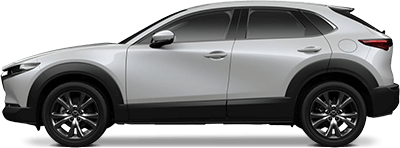
2026 Mazda CX-30. Mazda still sells driving feel in a segment that mostly sells cubic inches and screen inches. The CX-30 is the “small but serious” play: tight body control, interior materials that read a class up, and steering that actually changes weight as speed builds.
The flip side is packaging honesty. This is not the boxiest crossover on the block, and tall rear passengers will remind you of that on road trips.
Chassis first, brochure second
On a broken county road, the CX-30 tracks with less slop than many competitors. It is firmer than some shoppers expect, but the damping usually feels deliberate rather than cheap. If you want a cloud, test on your commute; if you want connection, you will grin here.
Cabin story
Knobs, textures, and restraint matter. Mazda avoids the “everything is a touchscreen” cliff for most functions, which pays off at night and in winter gloves. Rear-seat space is the compromise line: fine for kids and average adults, less fine if you routinely shuttle long-legged passengers.
Pros
- Steering and body control that still feel Mazda-calibrated
- Interior ambiance that punches above mainstream norms
- Build consistency and design discipline that age well visually
- Rain-and-merge confidence without drama
Cons
- Rear-seat and cargo volume trail boxier rivals
- Firmer ride than some crossover shoppers expect
- Infotainment workflow is polarizing if you want all-touch
- Powertrain character is “adequate-plus,” not headline thrust in base form
Verdict
Buy the CX-30 if you want a small crossover that rewards the driver. Shop elsewhere if rear legroom and max cargo are non-negotiable.
Check CX-30 incentives on Carced before you lock a monthly number.