Carced News
VW's Mission Efficiency Is the XL1's Spiritual Reboot — And It's Coming for a Serious Road Record
VW built a 250-unit halo car a decade ago just to prove a point about efficiency. Now it's back with an EV successor, a teardrop silhouette, and a 500-mile road trip to back up the hype.

VW Is Bringing Back Its Weirdest, Most Wonderful Idea — And Going Electric With It
Some cars exist to sell in volume. Others exist purely to prove a company can do something, even if almost nobody will ever own one. The original VW XL1 was firmly the second kind — 250 units, a diesel plug-in hybrid drivetrain, and a claimed 62 miles per liter of diesel that still sounds like a typo a decade later. It was never about the sales chart. It was a flex.
Now VW is teasing what it’s calling the Mission Efficiency, and from the look of the teaser, it’s very much cut from the same cloth — just swapping diesel-hybrid cleverness for a full battery-electric drivetrain.
The Silhouette Gives It Away Immediately
You don’t need a press release to know what VW is chasing here. That teardrop shape — narrow at the tail, wide up front, built to slice through air rather than push it out of the way — is straight out of the XL1 playbook. A full-width LED light bar and an illuminated VW badge up front, a slimmer rear end with its own light bar and glowing badge — it’s clearly a design language update on an idea VW already knows works.
There’s a Genuine Stunt Attached to This One
Here’s what separates a teaser like this from the usual “concept car nobody will ever drive” routine: VW says the Mission Efficiency is about to attempt a “record-setting journey” from Wolfsburg to Vienna — roughly 500 miles. VW hasn’t said exactly what the record is, but there are really only two likely scripts here: either they’re going to try to cover that whole distance on a genuinely tiny battery pack, or they’re chasing an efficiency number so far beyond what a normal EV can manage that it embarrasses the rest of the segment.
Either way, that’s a real test, on real roads, not a number pulled off a dyno in a lab somewhere.
“Largely Based on Production Technology” Is the Phrase That Matters
VW’s own statement calls this a vehicle meant “to explore the boundaries of what is possible with a fully functional everyday vehicle that is largely based on production technology.” Read between the lines and that’s VW quietly telling us this isn’t pure concept-car vapor. If it’s built on tech that’s already close to production-ready, whatever efficiency tricks come out of this run have a real shot at trickling down into an actual EV you or I could eventually buy.
My Take
I love when a manufacturer builds something that has genuinely nothing to prove commercially and does it anyway. The XL1 never needed to sell in volume to matter — it mattered because it showed what was technically possible when a company stopped worrying about the spreadsheet for five minutes. If the Mission Efficiency can pull off a legitimate Wolfsburg-to-Vienna run and back it up with real numbers, it’s going to be one of the more quietly important EV stories of the year, even if — like the XL1 before it — almost nobody ends up actually owning one.
Do halo efficiency concepts like this actually move the needle on production EVs, or are they mostly just marketing theater? I’d love to hear your take in the comments.
More Carced news
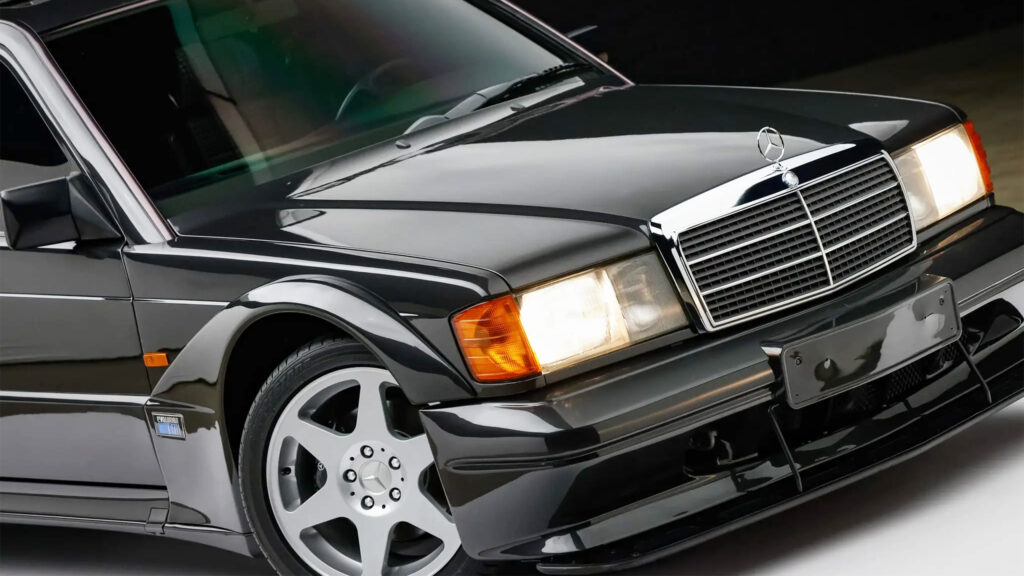
You Can Buy HWA's $760K New 190E Evo II, Or The Real Thing For Less — And That's A Genuinely Hard Choice
A restomod exists to solve the problem of an original being too rare, too fragile, or too expensive to actually use. This time, the original might be the cheaper option.
Read article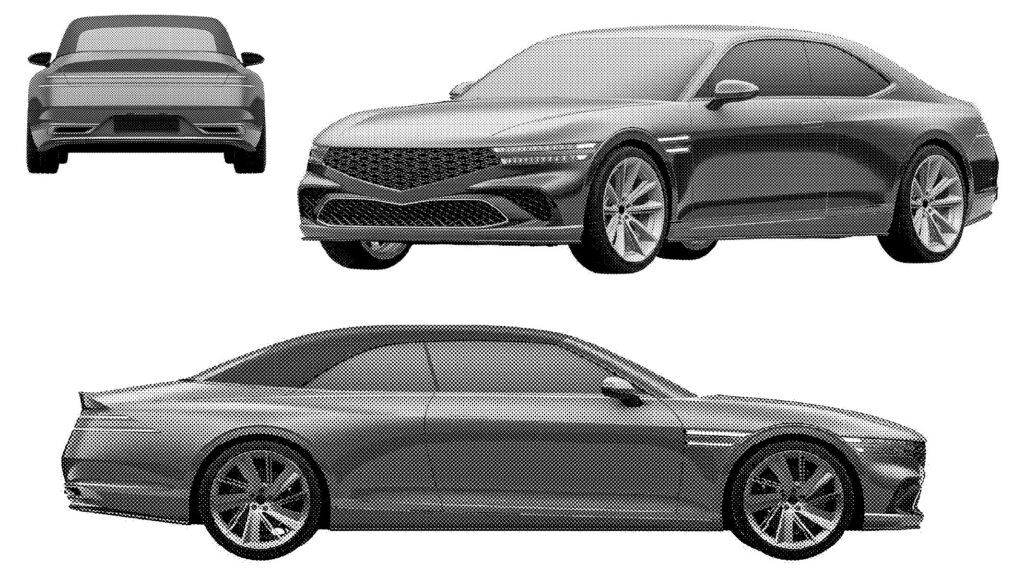
Genesis Just Patented The G90 Coupe And Convertible, And That's More Than Just Paperwork
A design patent isn't a production announcement, but Genesis wouldn't bother protecting a design it had no intention of ever building — and having seen the Convertible in person, I understand why they'd want to.
Read article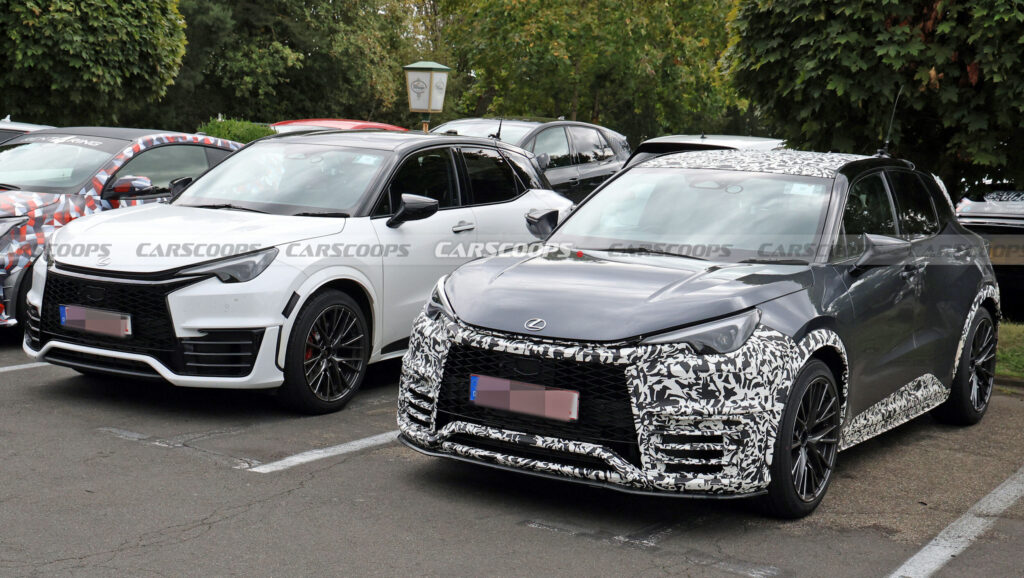
Lexus Is Building An Even Hotter LBX, And Carbon Fiber Is Doing All The Talking
The existing LBX Morizo RR already had a manual gearbox and GR-derived power. This new version's whole mission is shedding weight, and it's doing it with carbon fiber almost everywhere.
Read article
VW Wants $149 A Year To Turn Your Parked Car Into A Game Console, And I'm Weirdly Okay With It
Yet another automotive subscription fee sounds exhausting on principle. But this one is actually solving a real, specific dead-time problem — and it's bundled with features people already pay for anyway.
Read article