Carced News
Volvo's Plan For 13 New Models By 2030 Is Really A Bet On Geely Doing The Heavy Lifting
Thirteen new models sounds like a lot until you notice only seven are actually headed to Western markets. The other six, and the strategy tying it all together, tell the more interesting story.

Thirteen New Models Sounds Bigger Than It Actually Is For Western Buyers
Volvo calling this “the largest and most ambitious global product push in its 99-year history” is a genuinely bold claim, and the raw number — 13 new models by 2030 — backs it up on paper. But look closer at the regional split, and the story becomes less about Volvo flooding Western showrooms and more about a company using its Geely relationship to run two increasingly distinct product strategies simultaneously.
Only Seven Of Thirteen Are Actually Coming West
Seven new models are destined for Europe and North America; the other six are reserved for China. That’s a meaningfully different growth story than the “13 new models” headline suggests on its own — Western buyers are getting a real but more modest expansion, while China gets its own dedicated product stream built on shared Geely-group platforms.
The Geely Synergy Is The Actual Engine Here
Volvo’s explicit goal is increasing component commonality across Geely Group vehicles from roughly 10% today to as much as 30% by 2030. That’s a substantial jump, and it’s the real mechanism making this ambitious product cadence financially viable — sharing platforms, tech stacks, and components across Geely’s broader portfolio is what lets Volvo credibly promise this many new models without the R&D burden of developing each one in isolation.
The Return Of Wagons Is The Detail Enthusiast Should Actually Care About
Volvo confirming its future lineup will include “new segments” and hinting at a potential return to wagons is a genuinely interesting signal, especially for American buyers who’ve watched Volvo increasingly narrow toward SUV-only offerings in recent years. Whether wagons actually make it stateside remains to be seen, but the fact that it’s even being floated suggests Volvo sees an opportunity in a body style most competitors have abandoned entirely.
Bringing Back Ingenlath Is A Statement Hire
Thomas Ingenlath returning as Chief Design Officer after seven years running Polestar is a notable vote of confidence — he’s the person credited with defining the Volvo design language people actually associate with the brand’s recent renaissance. Having him pen the 2027 concept car that previews Volvo’s next styling evolution suggests the company wants continuity with what’s already worked, rather than a jarring aesthetic reset.
The Platform Split Reflects Two Different Customer Bases
Western models will ride on the SPA2 (already used by EX90 and ES90) and new SPA3 (debuting with EX60) architectures using the HuginCore computing platform, while Chinese models use Geely-shared platforms with a market-specific tech stack. That’s Volvo acknowledging, sensibly, that Chinese and Western buyers want genuinely different things from their vehicles’ technology and software experience, rather than forcing one global spec sheet onto both markets.
My Take
CEO Håkan Samuelsson’s promise that “our showrooms will look very different in 2030” is a fair characterization, but the more accurate read is that Volvo’s Western showrooms specifically will look moderately different, while the brand’s Chinese identity evolves along a largely separate track. That’s not a criticism — it’s arguably the smartest way for a mid-sized premium brand to compete simultaneously in two very different markets without spreading its engineering resources too thin. Whether “double market share” is achievable is the bigger open question, but the strategic logic behind how they’re trying to get there holds up.
Would a Volvo wagon actually tempt American buyers back, or has that body style’s moment permanently passed in the US market? I’d genuinely buy one if the numbers were right.
More Carced news
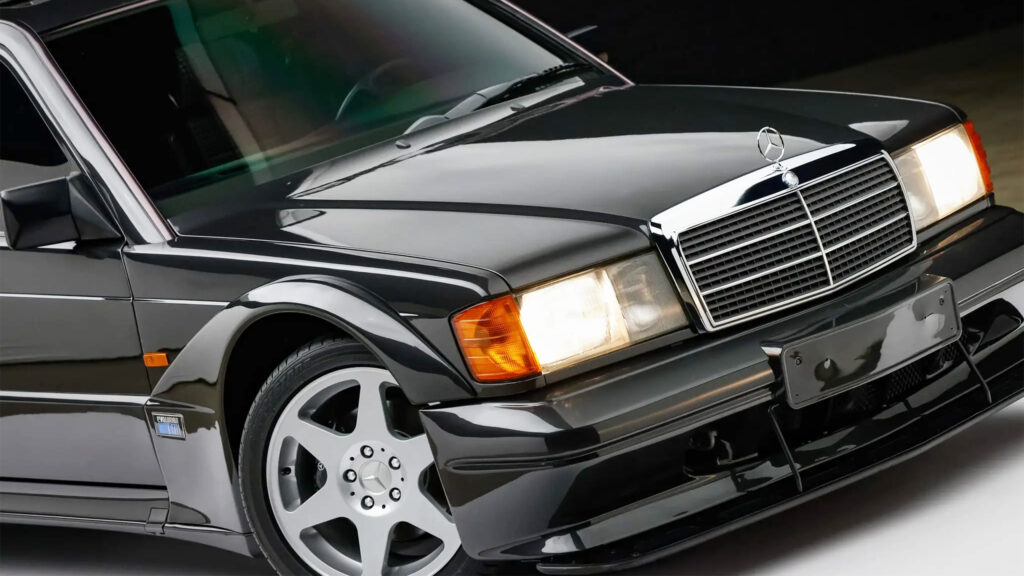
You Can Buy HWA's $760K New 190E Evo II, Or The Real Thing For Less — And That's A Genuinely Hard Choice
A restomod exists to solve the problem of an original being too rare, too fragile, or too expensive to actually use. This time, the original might be the cheaper option.
Read article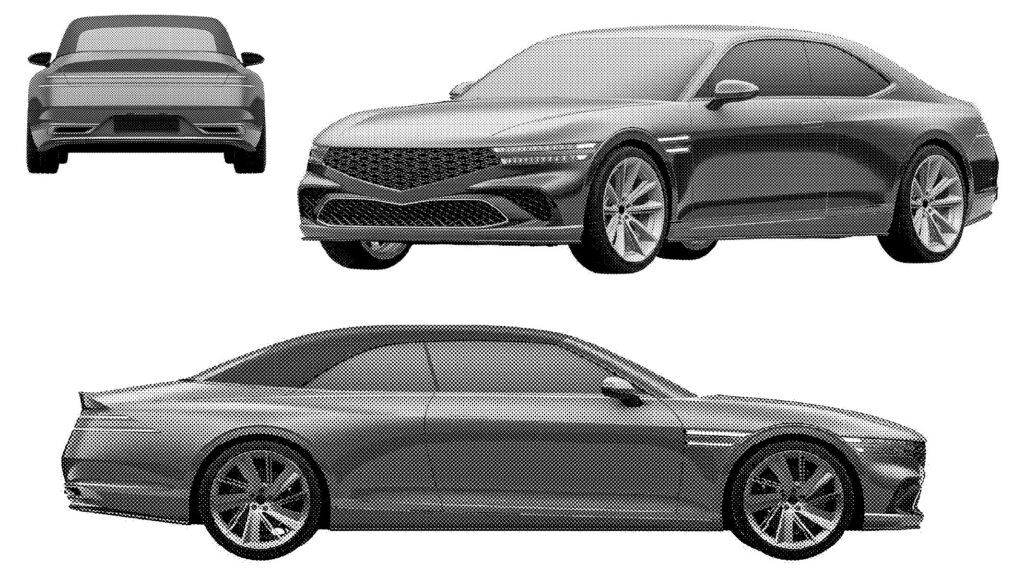
Genesis Just Patented The G90 Coupe And Convertible, And That's More Than Just Paperwork
A design patent isn't a production announcement, but Genesis wouldn't bother protecting a design it had no intention of ever building — and having seen the Convertible in person, I understand why they'd want to.
Read article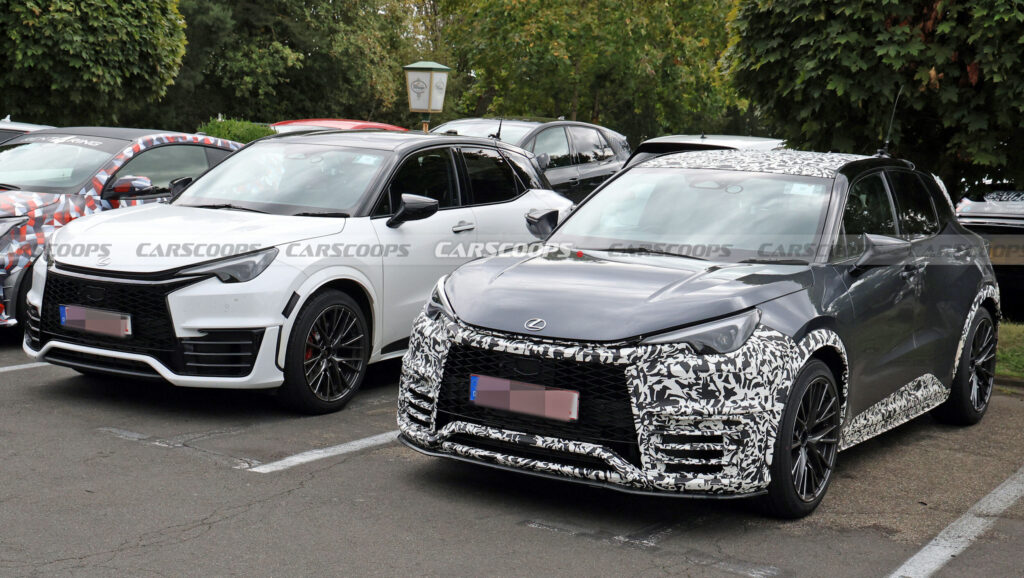
Lexus Is Building An Even Hotter LBX, And Carbon Fiber Is Doing All The Talking
The existing LBX Morizo RR already had a manual gearbox and GR-derived power. This new version's whole mission is shedding weight, and it's doing it with carbon fiber almost everywhere.
Read article
VW Wants $149 A Year To Turn Your Parked Car Into A Game Console, And I'm Weirdly Okay With It
Yet another automotive subscription fee sounds exhausting on principle. But this one is actually solving a real, specific dead-time problem — and it's bundled with features people already pay for anyway.
Read article