Carced News
Toyota Killed The Land Cruiser 300's Regular V6 In Japan, And The Hybrid Replacement Is A Genuine Upgrade
Toyota didn't just add a hybrid option to the Land Cruiser 300 — it killed the regular gas V6 entirely and replaced it with something genuinely more capable. That's a bolder move than it first appears.

Toyota Just Proved A Hybrid Can Be The More Capable Off-Roader, Not The Compromise
Hybrid powertrains in serious off-road vehicles have historically carried an asterisk — usually some combination of “yes, but it’s heavier” or “yes, but it can’t take the abuse a straight combustion engine can.” Toyota’s updated Land Cruiser 300 for the Japanese market quietly dismantles both of those assumptions, and does it by simply deleting the non-hybrid gas V6 entirely rather than keeping it around as a security blanket.
The New Hybrid Genuinely Out-Muscles What It Replaced
The self-charging setup pairs a twin-turbo 3.5-liter V6 with a single electric motor built into the ten-speed automatic and a nickel-metal hydride battery under the cargo floor. Combined output: 457 hp and 583 lb-ft of torque, making this the most powerful Land Cruiser Toyota has ever built. That’s not a modest bump for going electrified — that’s a genuine performance leap, on top of whatever efficiency gains come along with it.
The Off-Road Case Is Actually Stronger, Not Weaker
Here’s the detail that matters most to Land Cruiser buyers specifically: Toyota says the electric motor’s instant torque genuinely improves low-speed off-road capability, the 700mm water wading depth is unchanged, and — crucially — the truck can keep moving on V6 power alone even if the hybrid system suffers a critical failure. That last point directly answers the historical objection to hybrids in genuinely remote off-road use: a graceful degradation path if the electrified half of the system goes down.
The trade-offs are real but modest: an extra 375 lbs versus the non-hybrid V6, and a smaller fuel tank (68 liters versus 80). Reasonable costs for a genuinely more capable and more efficient platform.
The Diesel Sticks Around As The Simplicity Option
With the gas V6 gone, the sole remaining ICE-only option is the 3.3-liter biturbo diesel making 303 hp and 516 lb-ft — a sensible choice for buyers who specifically want to avoid hybrid complexity, or who operate in regions where hybrid service infrastructure is less established.
The Modellista Bodykit Is A Nice Touch For Buyers Who Want To Stand Out
Beyond the powertrain news, Modellista’s new bodykit — sportier bumper extensions, flared fenders, side steps, a tailgate garnish, a roof spoiler, and custom 20-inch wheels — gives Land Cruiser buyers a genuine styling differentiator, priced at ¥546,700 ($3,500) plus ¥933,900 ($6,000) for the forged wheels. Combined with the trim-specific bumper treatments across GX, ZX, and GR Sport, Toyota has quietly created four distinct visual takes on the same platform.
My Take
What impresses me here isn’t the hybrid option existing — every manufacturer offers one of those now. It’s Toyota’s confidence in deleting the non-hybrid gas engine entirely, betting that the hybrid setup is now capable enough, tough enough, and has a good enough failure mode that Land Cruiser’s notoriously conservative buyer base won’t balk. If that bet pays off in Japan, it’s a strong signal for how Toyota might eventually handle the same transition in other Land Cruiser markets, including wherever it eventually lands stateside.
Would you trust a hybrid Land Cruiser for genuinely remote off-roading, or does the added complexity still give you pause versus a simple diesel? I’m curious how overlanding-focused owners feel about this shift.
More Carced news
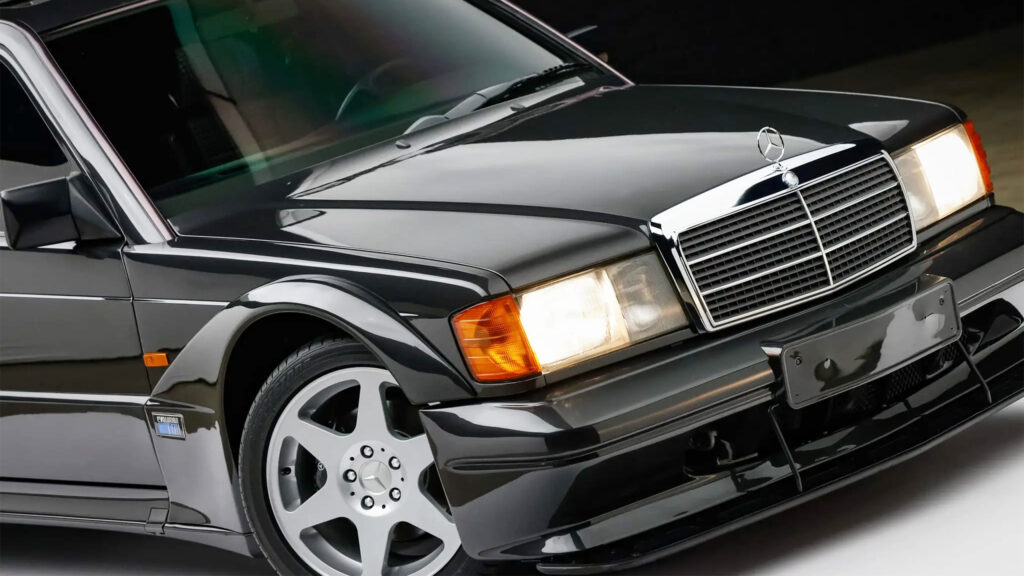
You Can Buy HWA's $760K New 190E Evo II, Or The Real Thing For Less — And That's A Genuinely Hard Choice
A restomod exists to solve the problem of an original being too rare, too fragile, or too expensive to actually use. This time, the original might be the cheaper option.
Read article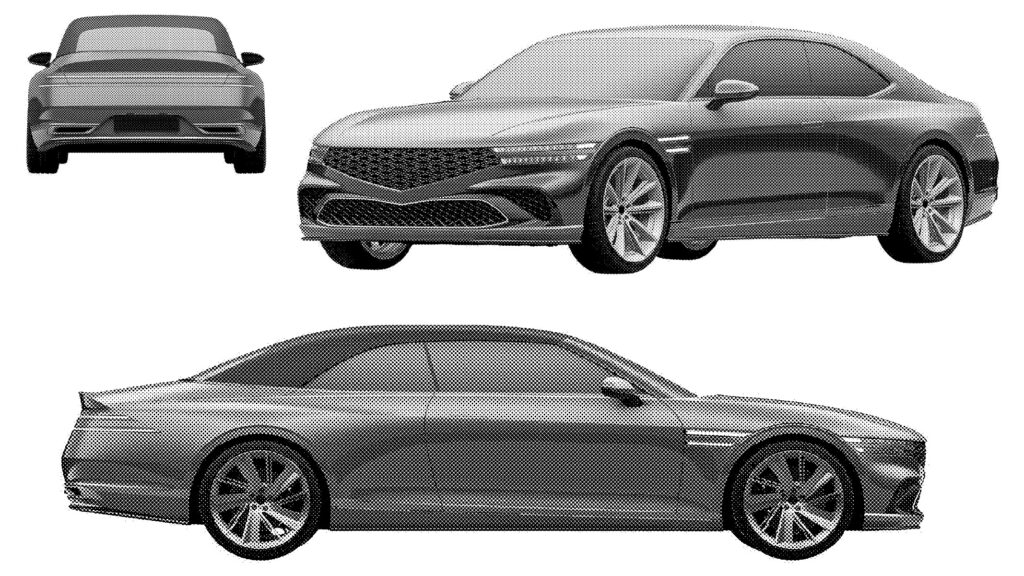
Genesis Just Patented The G90 Coupe And Convertible, And That's More Than Just Paperwork
A design patent isn't a production announcement, but Genesis wouldn't bother protecting a design it had no intention of ever building — and having seen the Convertible in person, I understand why they'd want to.
Read article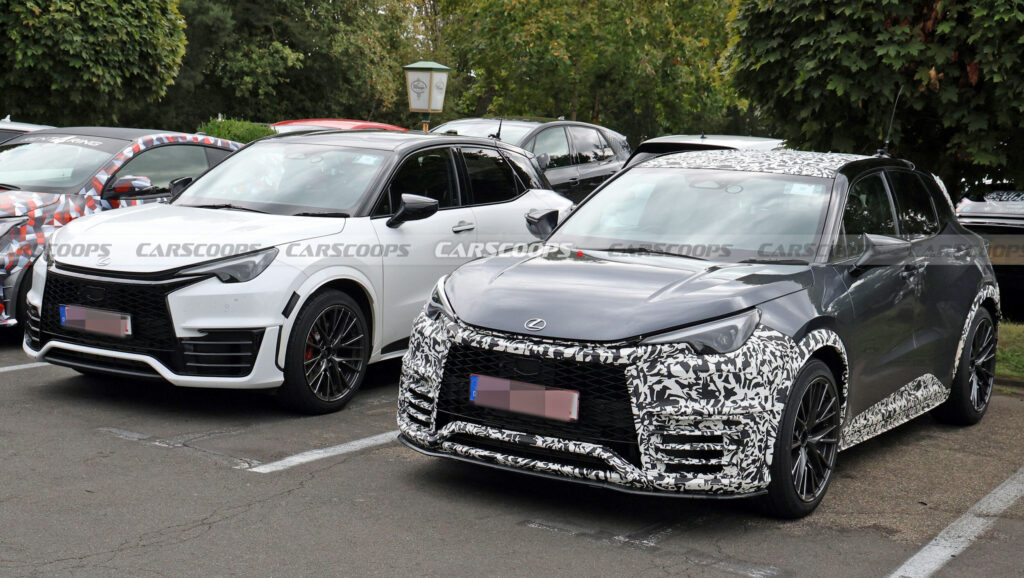
Lexus Is Building An Even Hotter LBX, And Carbon Fiber Is Doing All The Talking
The existing LBX Morizo RR already had a manual gearbox and GR-derived power. This new version's whole mission is shedding weight, and it's doing it with carbon fiber almost everywhere.
Read article
VW Wants $149 A Year To Turn Your Parked Car Into A Game Console, And I'm Weirdly Okay With It
Yet another automotive subscription fee sounds exhausting on principle. But this one is actually solving a real, specific dead-time problem — and it's bundled with features people already pay for anyway.
Read article