Carced News
Toyota's Hydrogen Hilux Is Finally Happening, But Its Real Rival Isn't Diesel — It's Infrastructure
Six years after the first hydrogen Hilux prototype, Toyota's finally putting it into production. The truck itself sounds genuinely capable. The 179 hydrogen stations across Europe are the actual bottleneck.
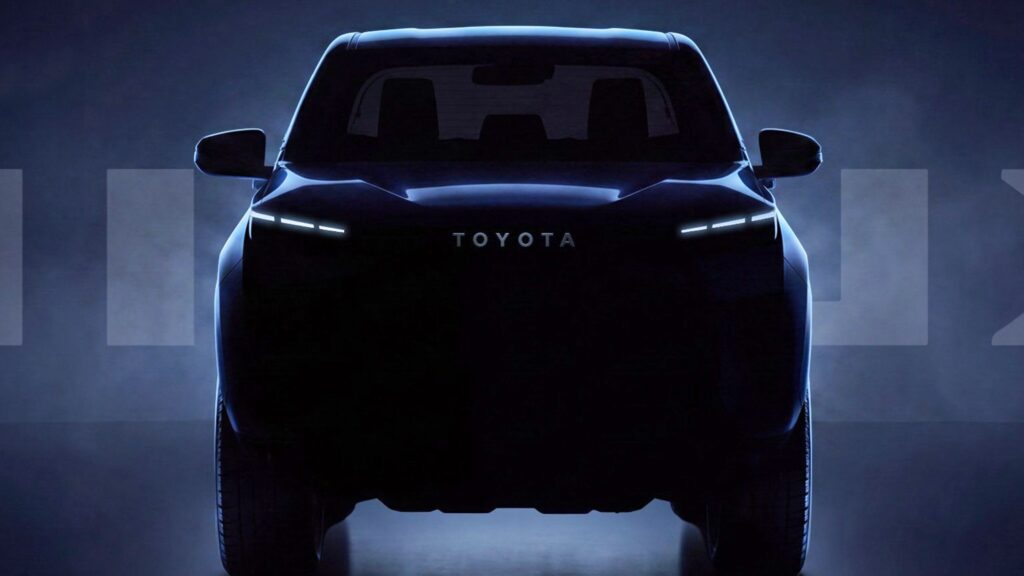
Toyota’s Betting On A Third Powertrain Nobody Else Wants To Touch
While most of the truck world argues over diesel versus battery-electric, Toyota is quietly committing to a third option almost nobody else is willing to fund: hydrogen fuel cells. The Hilux FCEV, first prototyped back in 2022 using the Mirai sedan’s fuel cell stack, is now confirmed for genuine production in 2028 — and the specs suggest Toyota’s actually solved the truck-specific engineering challenges, even if the bigger obstacle sits entirely outside the vehicle itself.
The Numbers Beat The Existing BEV Hilux Comfortably
Toyota’s targeting over 248 miles of WLTP range and 5,512 lbs of towing capacity for the FCEV. Compare that to the existing Hilux BEV’s 159-mile range and 3,530-4,410 lb towing capacity depending on configuration, and the fuel cell version isn’t just a curiosity — it’s a genuinely more capable working truck than the battery-electric option currently on offer. For anyone who actually needs a truck to tow and haul rather than just commute, that gap matters enormously.
The Refueling Speed Is The Whole Selling Point
Hydrogen refueling takes as little as five minutes, versus the wait times even fast DC charging requires for a BEV. For fleet operators or tradespeople who can’t afford downtime, that’s a genuinely compelling advantage — assuming, of course, you can actually find a station.
And That’s The Catch That Undermines Everything Else
There are currently only 179 operational hydrogen refueling stations across Europe and the UK, according to the European Hydrogen Observatory. That’s an infrastructure gap so wide it effectively limits this truck to specific regional corridors rather than genuine nationwide utility. Toyota building a genuinely capable FCEV truck doesn’t matter much if there’s nowhere within range to refuel it outside a handful of pockets.
The Prototype Data Already Proved The Concept
Back in 2024, Toyota ran 10 prototype Hilux FCEVs through UK field testing with three hydrogen tanks integrated into the ladder frame, a lithium-ion buffer battery under the bed, and a rear-mounted 180-hp electric motor — reportedly achieving 373 miles of range in that configuration. The production version’s lower 248-mile target suggests Toyota’s tuning for a more balanced, cost-conscious package rather than chasing the prototype’s maximum number.
Toyota’s Multi-Pathway Bet Keeps Paying Off As A Talking Point
This launch fits neatly into Toyota’s broader “we won’t bet on one technology” philosophy — the Hilux lineup will offer mild-hybrid diesel, BEV, and now FCEV simultaneously. Whether that’s visionary flexibility or a company hedging because it’s genuinely unsure which technology wins is a fair debate, but at minimum it means Toyota isn’t leaving any customer segment unaddressed.
My Take
The Hilux FCEV sounds like a genuinely well-engineered truck let down by circumstances outside Toyota’s control. Hydrogen infrastructure investment isn’t something one automaker can solve alone, and until governments or energy companies meaningfully expand the refueling network, this remains a truck best suited to specific fleet operations near existing hydrogen corridors rather than a mainstream option. Toyota’s making the right engineering bet; it’s the world around the truck that isn’t ready yet.
Do you think hydrogen infrastructure will actually catch up enough to make trucks like this viable outside niche fleet use, or is this ultimately a dead-end technology for personal trucks? I go back and forth on this one.
More Carced news
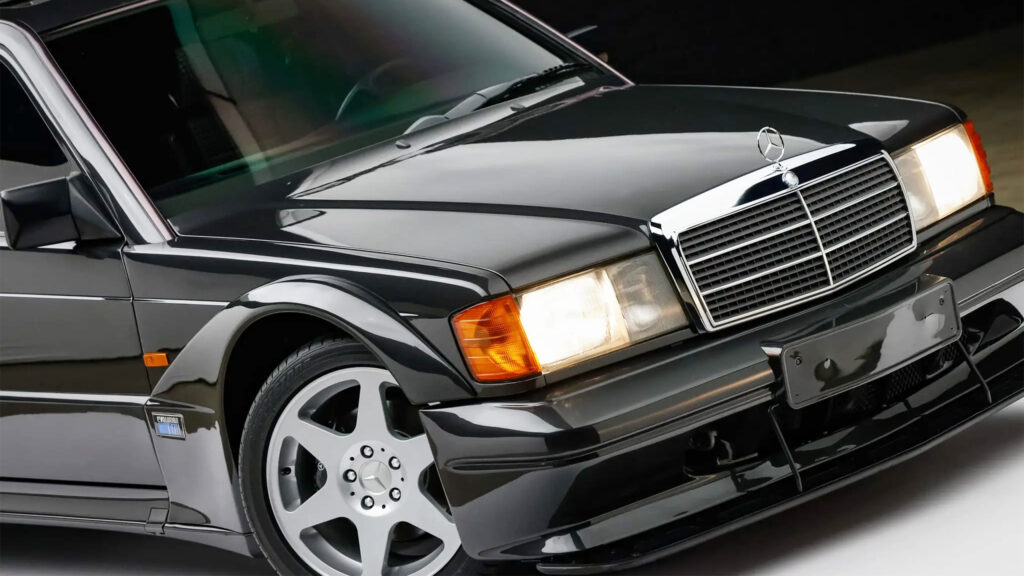
You Can Buy HWA's $760K New 190E Evo II, Or The Real Thing For Less — And That's A Genuinely Hard Choice
A restomod exists to solve the problem of an original being too rare, too fragile, or too expensive to actually use. This time, the original might be the cheaper option.
Read article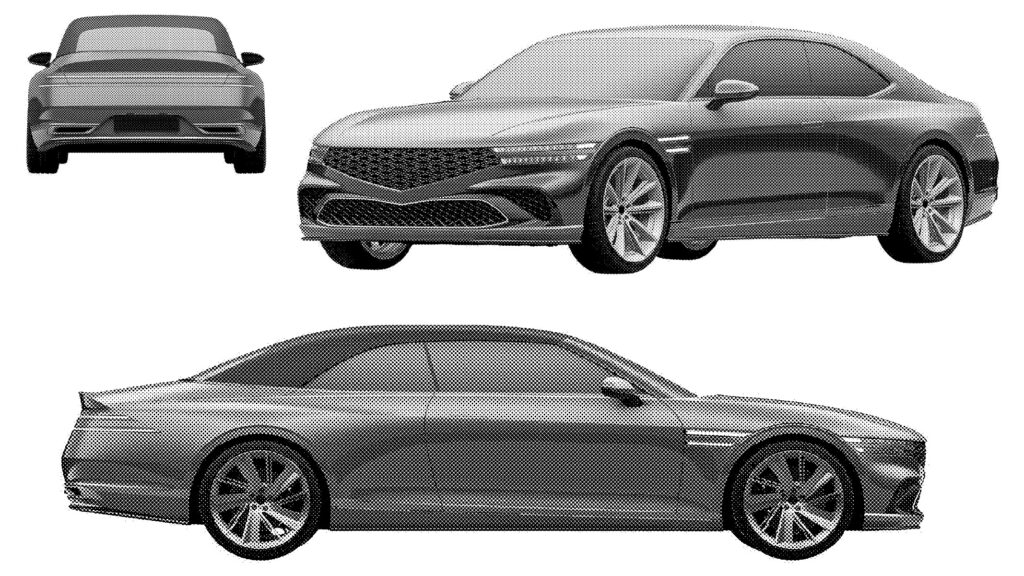
Genesis Just Patented The G90 Coupe And Convertible, And That's More Than Just Paperwork
A design patent isn't a production announcement, but Genesis wouldn't bother protecting a design it had no intention of ever building — and having seen the Convertible in person, I understand why they'd want to.
Read article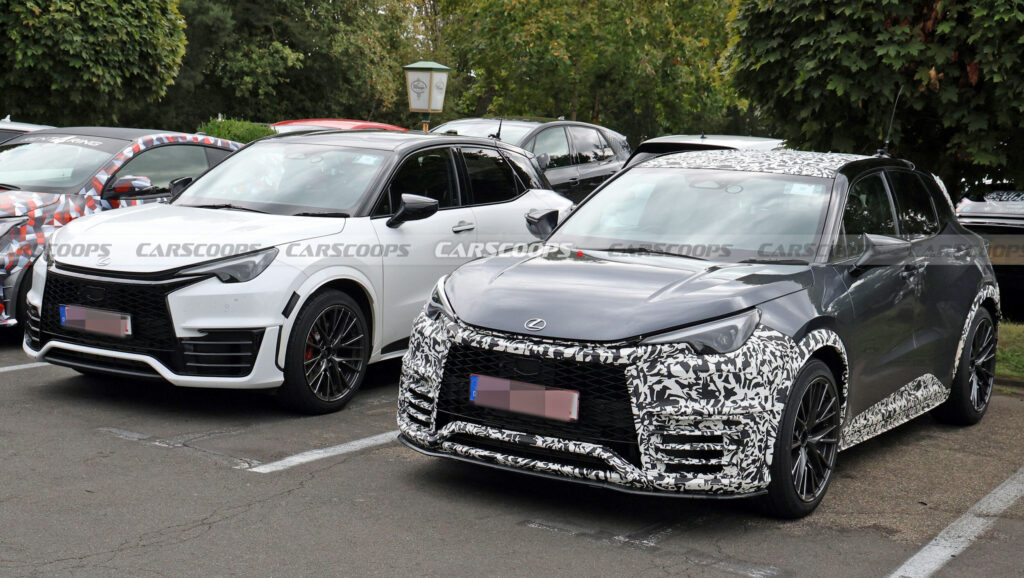
Lexus Is Building An Even Hotter LBX, And Carbon Fiber Is Doing All The Talking
The existing LBX Morizo RR already had a manual gearbox and GR-derived power. This new version's whole mission is shedding weight, and it's doing it with carbon fiber almost everywhere.
Read article
VW Wants $149 A Year To Turn Your Parked Car Into A Game Console, And I'm Weirdly Okay With It
Yet another automotive subscription fee sounds exhausting on principle. But this one is actually solving a real, specific dead-time problem — and it's bundled with features people already pay for anyway.
Read article