Carced News
A Teenager Hit 123 MPH In A Corvette, And CHP's Vague Follow-Up Is The Real Story
More than double the speed limit, in a car capable of doing real damage, driven by someone who's had a license for maybe a year. The citation isn't the part that concerns me — it's what CHP didn't say.
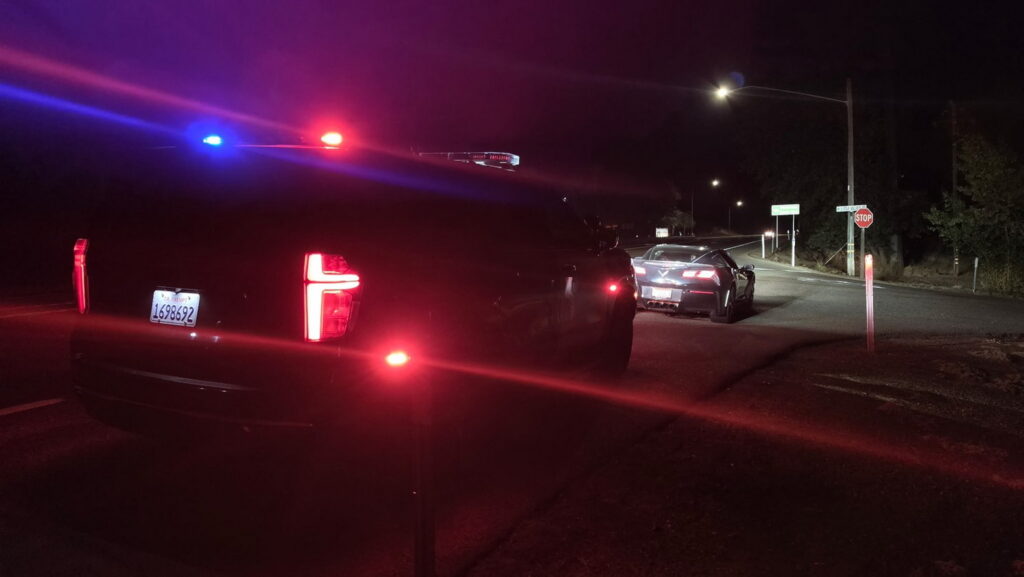
123 MPH In A 55 Zone Is Genuinely Dangerous, Not A Fun Headline
I try to keep a light tone on most of what I cover here, but this one’s worth taking seriously rather than treating as a quirky offbeat item. A 17-year-old driving a Chevrolet Corvette was clocked by California Highway Patrol at 123 mph in a 55-mph zone — 68 mph over the limit, in a car more than capable of turning a mistake at that speed into a fatal one. CHP’s Grass Valley office says the driver was cited and his parent was notified. What happens next is where the actual story sits.
CHP’s Statement Leaves Out The Part That Matters Most
The agency’s account doesn’t say whether the Corvette was impounded, whether the teenager was taken into custody, or — critically — whether he was allowed to drive home afterward. That last omission is the one I keep coming back to. Someone who was, allegedly, traveling more than double the posted limit minutes earlier raises an obvious and immediate safety question: should that same person be back behind the wheel of that same car that same evening? A brief social media post confirming a citation and a phone call doesn’t answer that, and it should.
There’s A Real Legal Path Beyond Just A Ticket
In California, driving above 100 mph is treated as a serious infraction — a first conviction can carry a statutory fine up to $500 before additional assessments, plus a court-ordered license suspension of up to 30 days. Separately, California’s Forwarded Actions for Speeding Tickets program automatically refers CHP citations for speeds above 100 mph to the DMV’s Driver Safety Branch, which can suspend or revoke a license independent of any court conviction or prior points history. Nothing in CHP’s post confirms that review is happening here, but the mechanism exists specifically for cases like this one.
Why I Think This Deserves More Transparency, Not Less
Departments post these enforcement updates partly for public accountability, and partly, frankly, as a deterrent — nobody wants their kid’s citation turned into local news. But a post this brief, missing the actual disposition of the vehicle and the driver, doesn’t really accomplish either goal well. If the teenager was allowed to drive away, CHP should be willing to explain that call. If he wasn’t, saying so plainly would actually reinforce the seriousness of what happened far more effectively than a vague Instagram caption.
My Take
I don’t think the goal here should be piling on a 17-year-old who made an extremely dangerous decision — kids do reckless things, and the consequences (a citation, a parent notified, a possible DMV review) sound like they’re already moving through the right channels. But public agencies asking the public to trust their enforcement process should be willing to actually describe that process, especially when the alleged conduct was this serious. A little more transparency from CHP here wouldn’t just satisfy curiosity — it would actually demonstrate the accountability these public safety posts are supposedly meant to show.
If you’re a parent of a new teen driver, how do you think about access to genuinely powerful cars like this? I’d be curious to hear how other readers navigate that conversation.
More Carced news

You Can Buy HWA's $760K New 190E Evo II, Or The Real Thing For Less — And That's A Genuinely Hard Choice
A restomod exists to solve the problem of an original being too rare, too fragile, or too expensive to actually use. This time, the original might be the cheaper option.
Read article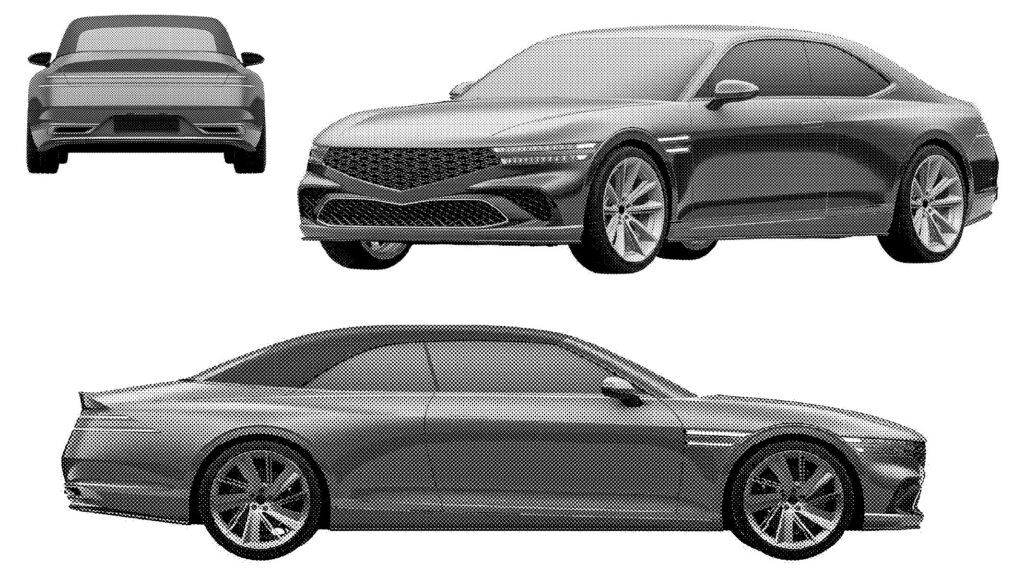
Genesis Just Patented The G90 Coupe And Convertible, And That's More Than Just Paperwork
A design patent isn't a production announcement, but Genesis wouldn't bother protecting a design it had no intention of ever building — and having seen the Convertible in person, I understand why they'd want to.
Read article
Lexus Is Building An Even Hotter LBX, And Carbon Fiber Is Doing All The Talking
The existing LBX Morizo RR already had a manual gearbox and GR-derived power. This new version's whole mission is shedding weight, and it's doing it with carbon fiber almost everywhere.
Read article
VW Wants $149 A Year To Turn Your Parked Car Into A Game Console, And I'm Weirdly Okay With It
Yet another automotive subscription fee sounds exhausting on principle. But this one is actually solving a real, specific dead-time problem — and it's bundled with features people already pay for anyway.
Read article