Carced News
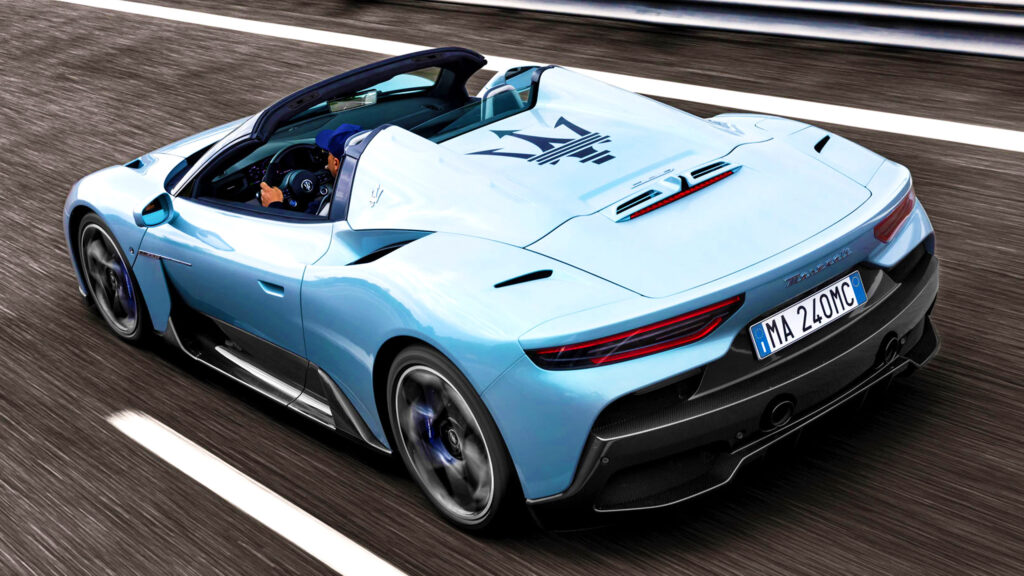
Maserati's Rescue Plan Apparently Runs Through Huawei And JAC
7,900 cars sold last year. That is not a rough patch — that is a brand that needs a lifeboat. The lifeboat may be Chinese tech and manufacturing.
When Volume Collapses, Partnerships Stop Being Optional
Maserati sold about 7,900 vehicles in fiscal 2025, down from 11,300 the year before and the worst stretch since the early 2010s. Against that backdrop, a reported deal with Huawei and JAC is less a curiosity and more a survival strategy.
Two EVs, Two Badges, One Supply Chain
Industry sources cited by EET China say the partnership will produce a mid-to-large electric SUV as an alternative to the Grecale Folgore, plus an all-electric GT to sit with the GranTurismo Folgore. In China the cars would wear Maextro branding; overseas they would be badged as Maseratis. JAC would handle engineering and body-in-white manufacturing at its Maextro plant, then ship shells to Italy for final assembly — a compromise designed to keep Italian finishing in the story.
Huawei Brings The Stack Maserati Does Not Have
Huawei would supply its HIMA platform pieces: Qiankun autonomous driving, EV powertrain tech, and the intelligent cockpit. Maserati’s job, in this telling, is design and selling. That division of labor is blunt: software and skateboard from China, trident and showroom polish from Modena.
Export Targets Tell You Who They Think Will Buy
Reported early markets include the Middle East, Italy, France, and Germany. That is a carefully chosen list of places where a Chinese-built luxury EV with Italian final assembly might clear both politics and brand perception better than a full China-built Maserati story would in the US.
My Take
Purists will hate this. Volume charts do not care. If the cars are genuinely good and the Italian finish is real, buyers who already accepted Folgore electrification may accept the rest. For Carced’s US incentive audience this is mostly a brand-health signal for now — but it is also a preview of how more European names may rent Chinese EV competence instead of reinventing it. Watch whether Stellantis confirms the structure publicly; until then, treat it as a well-sourced rumor with unusually specific product shapes attached.
Would a Huawei-powered Maserati still feel like a Maserati to you, or is that a hard no? I am genuinely split on this one.
More Carced news
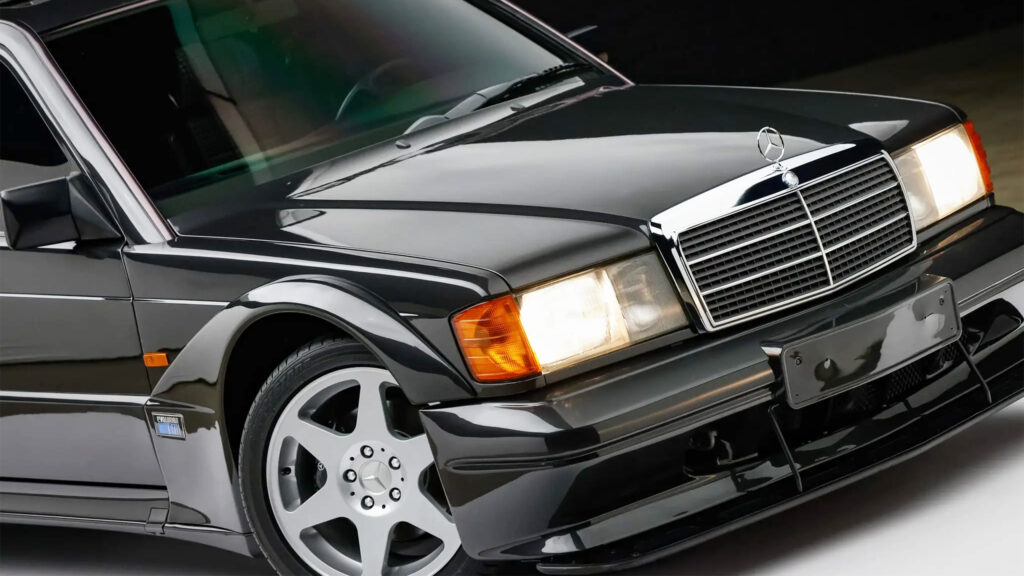
You Can Buy HWA's $760K New 190E Evo II, Or The Real Thing For Less — And That's A Genuinely Hard Choice
A restomod exists to solve the problem of an original being too rare, too fragile, or too expensive to actually use. This time, the original might be the cheaper option.
Read article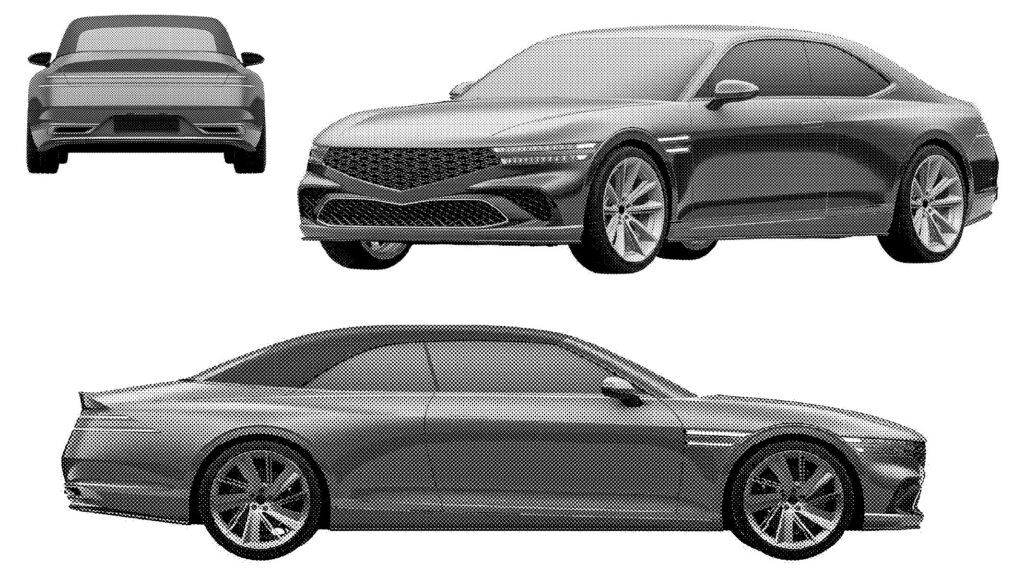
Genesis Just Patented The G90 Coupe And Convertible, And That's More Than Just Paperwork
A design patent isn't a production announcement, but Genesis wouldn't bother protecting a design it had no intention of ever building — and having seen the Convertible in person, I understand why they'd want to.
Read article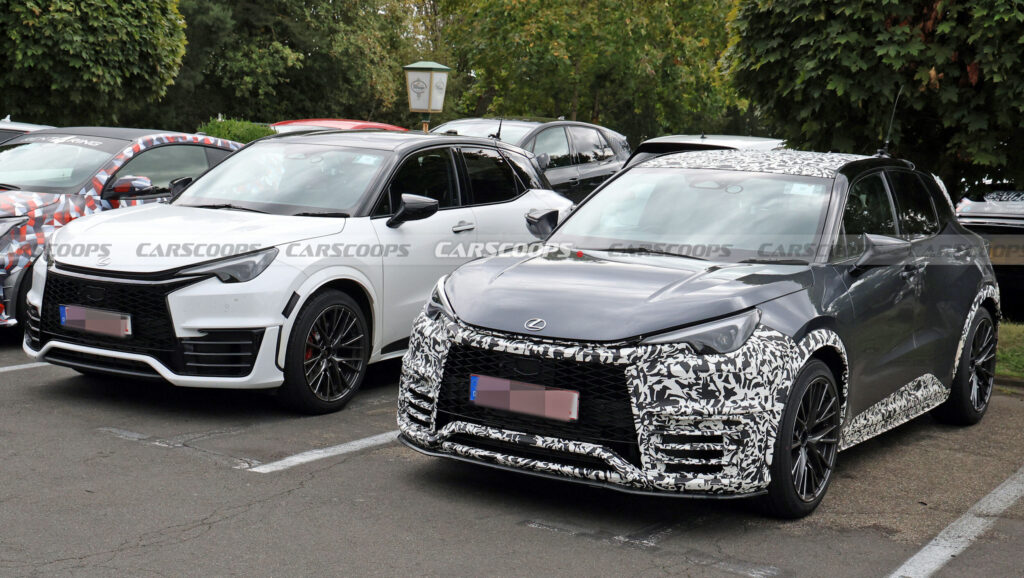
Lexus Is Building An Even Hotter LBX, And Carbon Fiber Is Doing All The Talking
The existing LBX Morizo RR already had a manual gearbox and GR-derived power. This new version's whole mission is shedding weight, and it's doing it with carbon fiber almost everywhere.
Read article
VW Wants $149 A Year To Turn Your Parked Car Into A Game Console, And I'm Weirdly Okay With It
Yet another automotive subscription fee sounds exhausting on principle. But this one is actually solving a real, specific dead-time problem — and it's bundled with features people already pay for anyway.
Read article