Carced News
Lucid Just Picked A Smarter European Robotaxi Partner Than Tesla Ever Considered
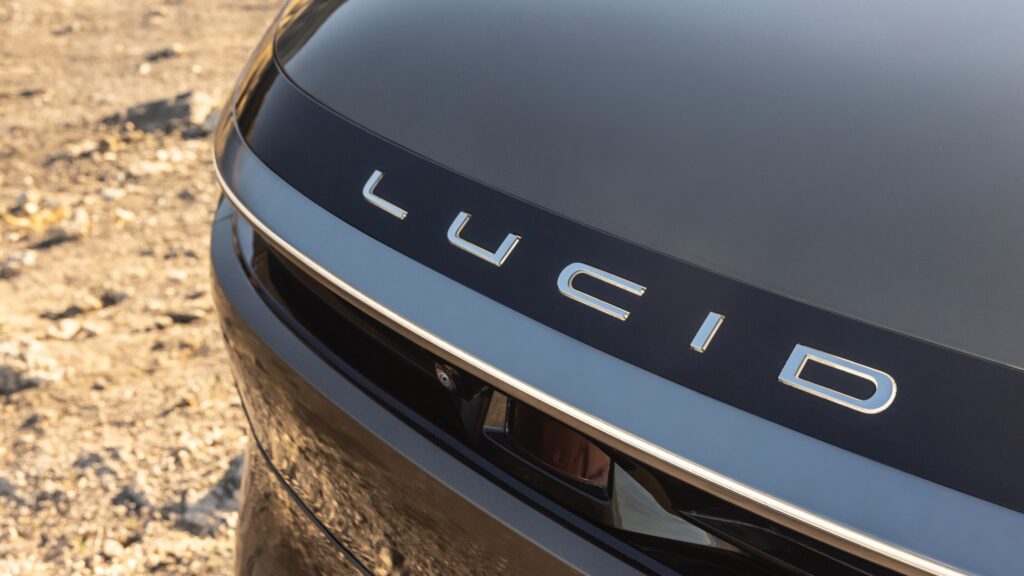
Uber gets the headlines in America. In Europe, the bigger player is Bolt — and Lucid just locked in a 25,000-vehicle deal with them, sized specifically for the streets it'll actually operate on.
Bolt Might Not Be A Household Name In America, But It’s A Genuine Giant Elsewhere
If you’re only paying attention to Uber and Tesla’s robotaxi coverage, you’re missing the fact that Bolt — operating in over 850 cities across 50 countries — is a legitimately massive player in the ride-hailing space outside the US. Lucid teaming up with Bolt to deploy 25,000 autonomous cabs across Europe isn’t a scrappy underdog partnership. It’s Lucid plugging into infrastructure that already dwarfs what most American robotaxi programs are working with.
The Platform Choice Shows Real Regional Thinking
Rather than exporting the same Gravity SUV it’s using with Uber in North America, Lucid’s European fleet will run on the company’s upcoming midsize platform — a smaller vehicle better suited to Europe’s generally narrower streets and tighter urban layouts. That’s a meaningfully more thoughtful approach than a one-size-fits-all global rollout, and it suggests Lucid actually understands that a robotaxi built for American suburban sprawl doesn’t automatically translate to European city centers.
The Tech Stack Is Genuinely Different Too
Both the US and European deployments use Level 4 autonomy, but the underlying hardware diverges: Nuro powers the American Uber fleet, while Bolt’s cars run on Nvidia Hyperion. That’s not a minor footnote — it means Lucid is essentially running two parallel autonomy validation programs simultaneously, with different partners and different hardware stacks, which either doubles the engineering overhead or doubles the real-world data Lucid gets to learn from. I’d bet on the latter being the actual strategic upside here.
Bolt Owning The Entire Fleet Is A Meaningful Detail
Bolt committing to own all 25,000 vehicles outright, as part of its stated goal of 100,000 driverless cars on its platform by 2035, signals genuine capital commitment rather than a pilot-program toe-dip. That kind of fleet ownership at scale requires real confidence in the underlying technology and the unit economics working out.
The European Robotaxi Field Is Getting Crowded Fast
Uber, Verne (co-founded by Mate Rimac), and Pony.ai are already running rides in Zagreb, Croatia. Waymo is testing in Europe with a German launch targeted before the end of 2027. Uber and Wayve have 15 autonomous Mustang Mach-E robotaxis running in London, albeit still with human safety drivers pending regulatory approval. And Tesla’s Cybercab has been promised for Europe with no firm timeline attached. Lucid and Bolt entering now, with a genuine 25,000-vehicle commitment, puts them in a legitimately competitive position rather than trailing the pack.
My Take
What stands out here isn’t just the scale of the deal — it’s how deliberately regional the execution is. A purpose-sized platform, a locally dominant ride-hailing partner, and a different autonomy hardware stack than Lucid’s US deployment all suggest a company thinking carefully about market fit rather than just chasing headline numbers. If Lucid can actually execute at this scale, it’s a much stronger European robotaxi position than most of its American EV peers currently have.
Do you think regional-specific robotaxi platforms like this actually matter for adoption, or is a one-size-fits-all approach like Tesla’s Cybercab strategy underrated? I lean toward thinking Lucid’s approach here is the smarter long-term bet.
More Carced news
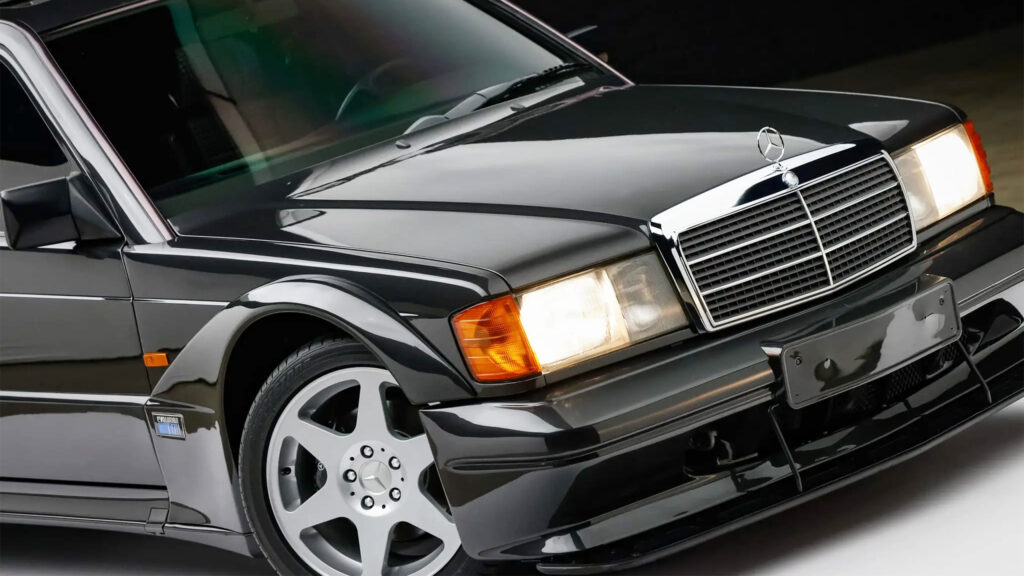
You Can Buy HWA's $760K New 190E Evo II, Or The Real Thing For Less — And That's A Genuinely Hard Choice
A restomod exists to solve the problem of an original being too rare, too fragile, or too expensive to actually use. This time, the original might be the cheaper option.
Read article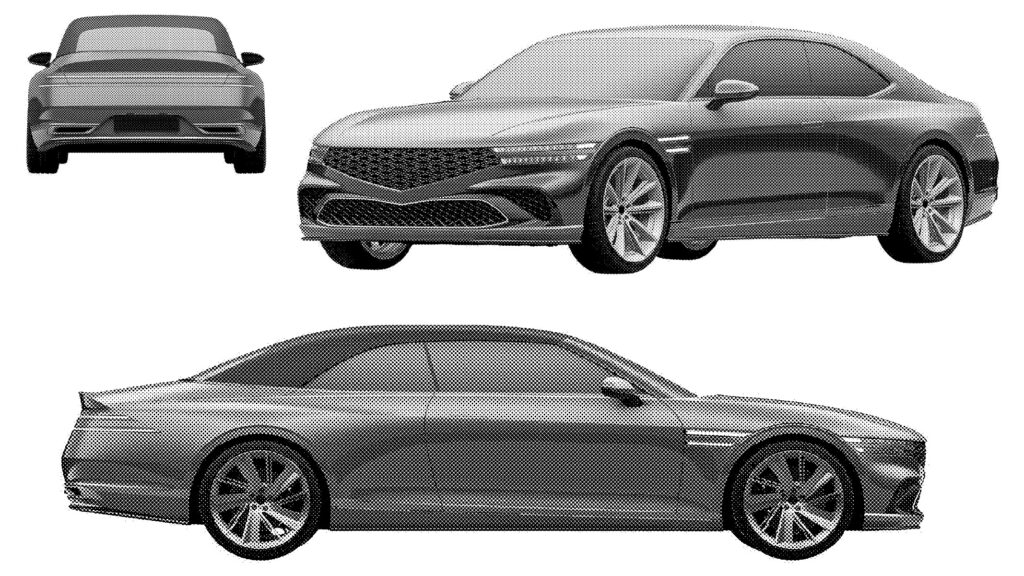
Genesis Just Patented The G90 Coupe And Convertible, And That's More Than Just Paperwork
A design patent isn't a production announcement, but Genesis wouldn't bother protecting a design it had no intention of ever building — and having seen the Convertible in person, I understand why they'd want to.
Read article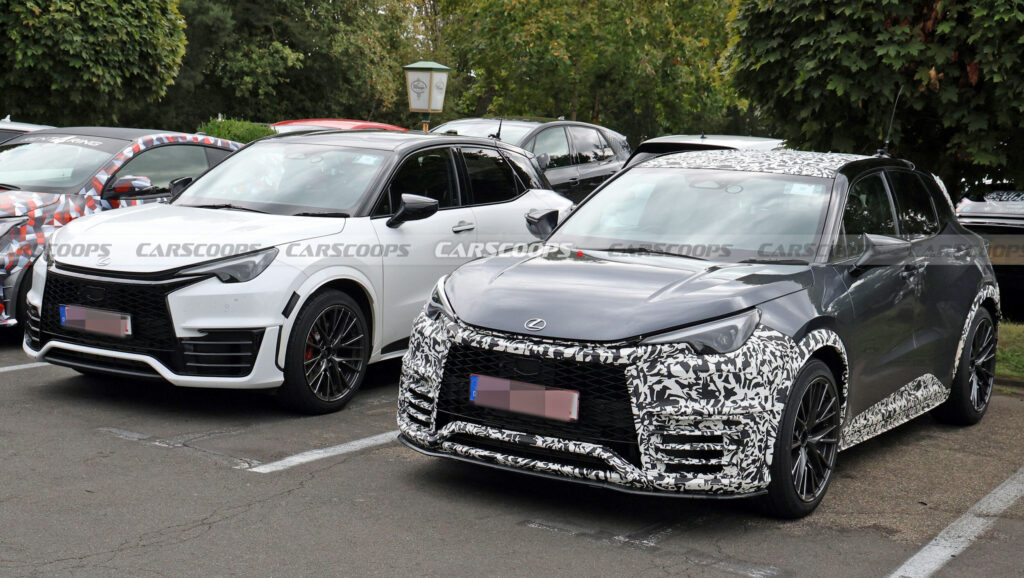
Lexus Is Building An Even Hotter LBX, And Carbon Fiber Is Doing All The Talking
The existing LBX Morizo RR already had a manual gearbox and GR-derived power. This new version's whole mission is shedding weight, and it's doing it with carbon fiber almost everywhere.
Read article
VW Wants $149 A Year To Turn Your Parked Car Into A Game Console, And I'm Weirdly Okay With It
Yet another automotive subscription fee sounds exhausting on principle. But this one is actually solving a real, specific dead-time problem — and it's bundled with features people already pay for anyway.
Read article