Carced News
JLR's 24,000-Vehicle Recall Reveals How A Single Converter Failure Cascades Into A Total Shutdown
This isn't a single-point failure — it's a cascade. One converter fault leads to a 12-volt battery drain, which leads to a forced gearbox fault, which leads to the engine shutting off entirely.

One Small Electrical Component Can Take Down The Entire Car — Here’s How
Modern mild-hybrid systems add genuine efficiency benefits, but they also add new failure points that didn’t exist in purely combustion vehicles. JLR’s latest recall, covering 23,677 vehicles across the US, is a useful case study in exactly how a single component failure can cascade through interconnected electrical systems until the entire vehicle shuts down.
The Root Cause Is Genuinely Specific
The DCDC converter — the component managing power flow between the 48-volt mild-hybrid system and the vehicle’s 12-volt electrical system — may malfunction due to “insufficient electrical load balancing during times of high demand.” A separate software issue can also prevent the converter from functioning properly during vehicle start-up. Two distinct failure paths, both converging on the same critical component.
The Cascade Is What Makes This Genuinely Alarming
Once the converter fails, the sequence is methodical and progressively worse: the 12-volt system stops charging, a warning appears on the gauge cluster, and if the driver continues, the vehicle automatically shifts into Neutral with a gearbox fault displayed. Eventually the engine shuts off entirely, and as the 12-volt battery drains further, the headlights and taillights go dark too. That’s not a single point of failure — it’s a chain reaction where each step compounds the danger of the last, culminating in a vehicle that’s lost both propulsion and visibility.
The Scope Spans Nearly The Entire JLR Lineup
The 2019-2024 Range Rover Sport tops the list at 10,973 units, followed by 8,100 examples of the 2020-2024 Land Rover Defender, 3,849 Range Rovers, and smaller numbers across the Range Rover Velar, Range Rover Evoque, Jaguar F-Pace, Jaguar E-Pace, Land Rover Discovery Sport, and Land Rover Discovery. That breadth confirms this is a shared component or software issue across JLR’s 48-volt mild-hybrid architecture rather than an isolated model-specific defect.
This Builds On An Earlier, Narrower Recall
JLR had already recalled thousands of vehicles for potential DCDC failures earlier this year, but a broader investigation — reportedly using artificial intelligence to analyze failure patterns — allowed the company to identify a more precise, and evidently larger, population of potentially affected vehicles. That’s a genuinely useful application of AI-assisted diagnostics: rather than guessing at scope, JLR appears to have used pattern analysis across its field data to identify vehicles the original recall missed.
The Field Data Suggests This Is A Real, Ongoing Issue
393 claims and field reports of faults in the US between April 2024 and September 2026, with no reported accidents or injuries so far, is a genuinely reassuring safety record given the scope of vehicles involved. But 393 confirmed incidents against a background of thousands of affected vehicles still on the road, discovered before the wider population was even formally recalled, suggests this isn’t a purely theoretical risk.
My Take
JLR’s reliability reputation, particularly around electrical systems, doesn’t do it any favors in how this recall gets received, but the actual handling here — expanded scope via better diagnostics, a clear cascade explanation, no reported injuries despite real-world claims — is reasonably solid. If you own one of these models and notice a 12-volt charging warning on the gauge cluster, don’t wait for the November 13 notification; treat that warning as the first domino in a chain you don’t want to see play out in traffic.
If you drive a JLR mild-hybrid model from these years, have you noticed any early warning signs like the ones described here? Worth flagging for other owners who might not connect a minor dash warning to this specific issue.
More Carced news
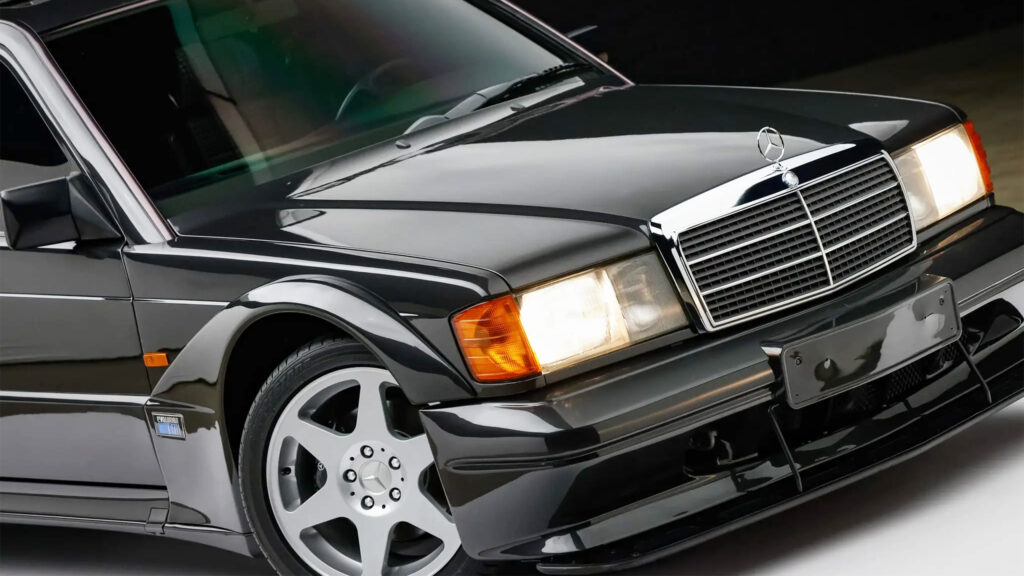
You Can Buy HWA's $760K New 190E Evo II, Or The Real Thing For Less — And That's A Genuinely Hard Choice
A restomod exists to solve the problem of an original being too rare, too fragile, or too expensive to actually use. This time, the original might be the cheaper option.
Read article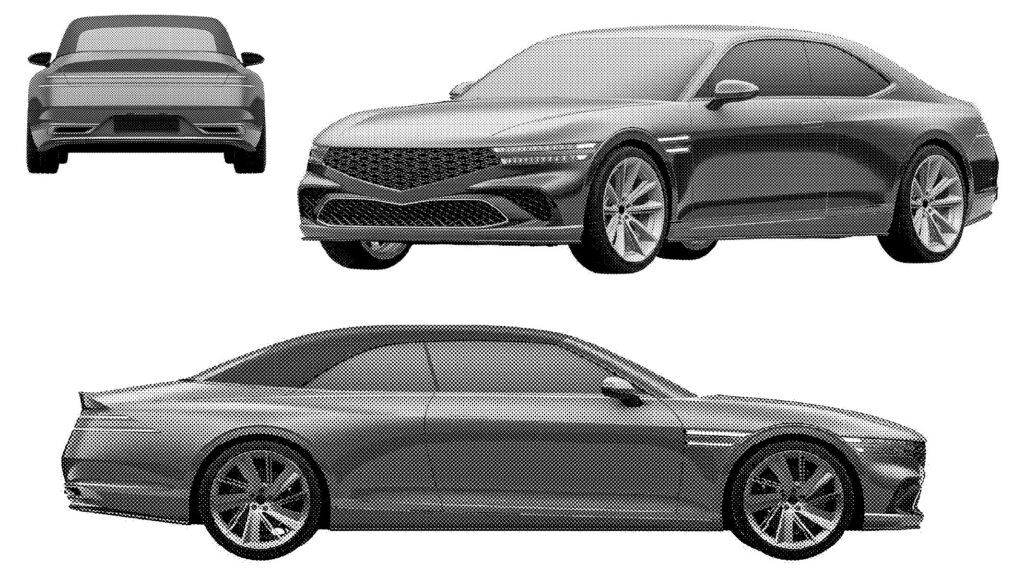
Genesis Just Patented The G90 Coupe And Convertible, And That's More Than Just Paperwork
A design patent isn't a production announcement, but Genesis wouldn't bother protecting a design it had no intention of ever building — and having seen the Convertible in person, I understand why they'd want to.
Read article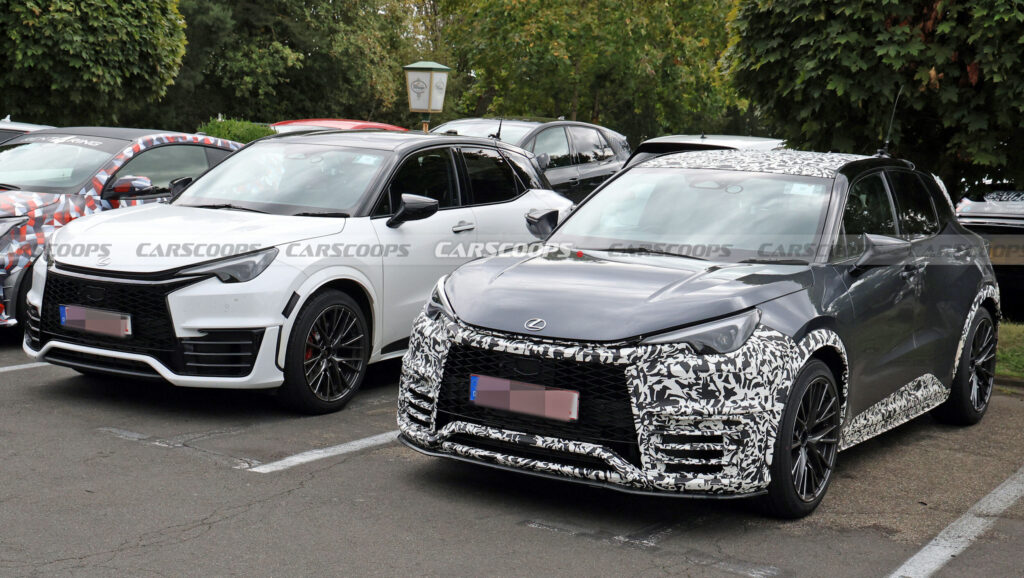
Lexus Is Building An Even Hotter LBX, And Carbon Fiber Is Doing All The Talking
The existing LBX Morizo RR already had a manual gearbox and GR-derived power. This new version's whole mission is shedding weight, and it's doing it with carbon fiber almost everywhere.
Read article
VW Wants $149 A Year To Turn Your Parked Car Into A Game Console, And I'm Weirdly Okay With It
Yet another automotive subscription fee sounds exhausting on principle. But this one is actually solving a real, specific dead-time problem — and it's bundled with features people already pay for anyway.
Read article