Carced News
Hyundai's New Tucson Can Reverse Itself Out Of A Parking Spot, And The Timing Is Not A Coincidence
The new Tucson is bigger in every direction. Its new party trick exists specifically to solve the parking problem that growth just made worse — and that's a smart bit of self-aware engineering.
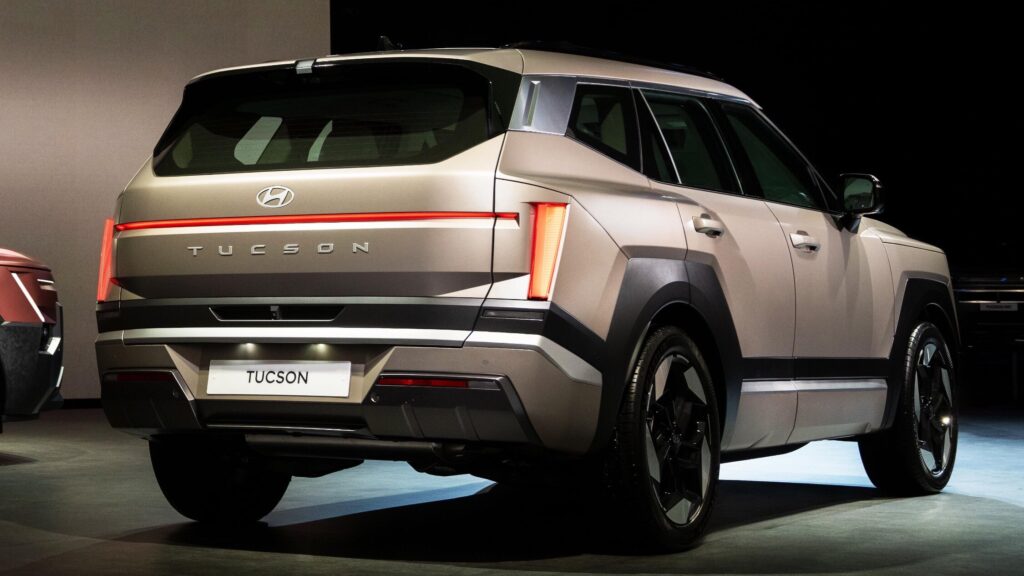
Hyundai Grew The Tucson, Then Built A Feature Specifically To Fix The Problem That Created
There’s something genuinely clever about a manufacturer growing a vehicle’s footprint and then engineering a specific feature to offset the exact inconvenience that growth causes. Hyundai’s fifth-gen Tucson is 60mm longer and 40mm wider than its predecessor — modest numbers individually, but meaningful when parking bays haven’t grown at all. Memory Reverse Assist, which retraces the exact path you took into a tight spot and reverses itself out, isn’t a random tech flex. It’s a direct, self-aware answer to the parking headache the new dimensions create.
The Space Trade-Off Is A Genuinely Good One
That growth isn’t just adding bulk for no reason — a 30mm wheelbase stretch to 2,785mm delivers more rear legroom, the taller flatter roof adds 29mm of second-row headroom, and rear doors now open an extra 10 degrees for easier entry and exit. For a compact SUV segment where rear-seat space is a constant point of comparison, these are genuinely useful, tangible improvements rather than just bigger numbers on a spec sheet.
The Power Bumps Suggest US Buyers Might Finally Get A Real Base Engine Upgrade
Korea’s base 1.6-liter turbo mild-hybrid four jumps to 190 hp (up 13 hp), now paired with an eight-speed automatic instead of the old seven-speed DCT — likely a smoother, more durable choice for daily driving. The full hybrid climbs to 242 hp. Neither confirms what US buyers get, but the strong hint that America might finally swap its aging 2.5-liter non-turbo, non-hybrid four for the more modern turbo 1.6 would be a genuinely welcome update for the US-market Tucson, which has lagged behind Korean and European variants on powertrain sophistication for a while now.
The “Art of Steel” Design Language Isn’t Coming From Nowhere
If the new Tucson’s styling looks familiar, that’s because it draws directly from the Crater concept Hyundai revealed back in November 2025. Seeing a concept’s design language actually reach production within roughly a year, even if toned down for real-world buildability, is a faster turnaround than a lot of manufacturers manage, and it’s a good sign Hyundai is committed to translating its more adventurous concept work into showroom reality rather than letting it stay a one-off curiosity.
The Interior Overhaul Is A Genuine Departure
Dropping the combined digital cluster and touchscreen setup for a conventional tablet display paired with a small embedded instrument readout, plus real clickable buttons on the steering wheel and a dedicated bank of physical switches below the touchscreen, is a meaningfully different cabin philosophy than the outgoing Tucson. Combined with 100W USB ports and pedal-misapplication mitigation software, this reads like a genuinely considered refresh rather than a minor trim update.
My Take
Memory Reverse Assist is the headline-grabbing feature, but the more important story is how deliberately Hyundai paired vehicle growth with a specific solution to the problem that growth creates. That’s a more thoughtful approach to feature development than simply adding tech for tech’s sake. Between the XRT’s added ruggedness, the design language borrowed from a genuinely striking concept, and the return of real physical switchgear, this Tucson update reads like Hyundai actually listened to a decade of specific, recurring feedback rather than just chasing the next flashy spec.
Would Memory Reverse Assist actually solve real parking headaches for you, or does it feel like a solution to a problem good spatial awareness already handles? I’ll admit I’m curious to try it in a genuinely tight urban parking structure.
More Carced news
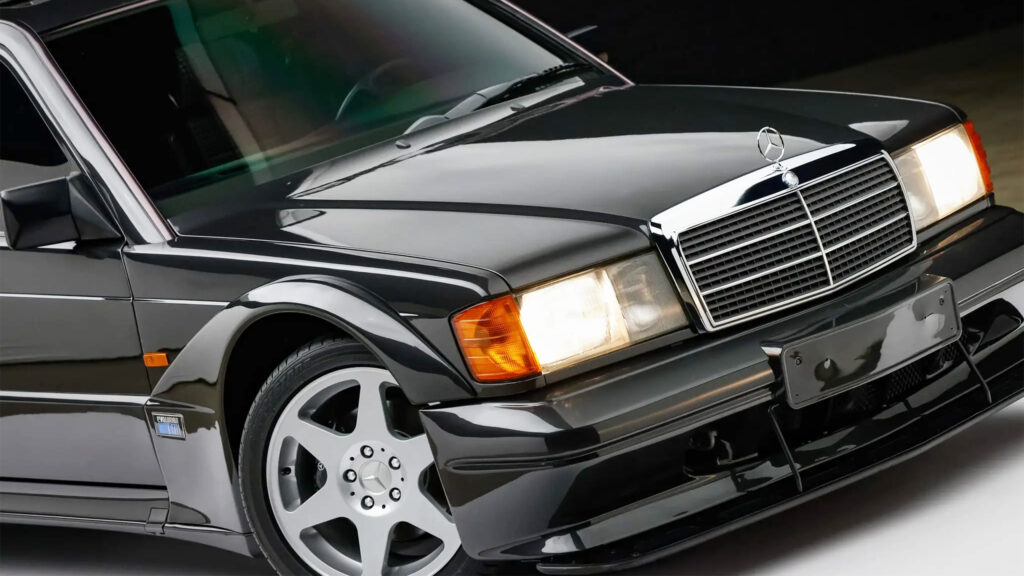
You Can Buy HWA's $760K New 190E Evo II, Or The Real Thing For Less — And That's A Genuinely Hard Choice
A restomod exists to solve the problem of an original being too rare, too fragile, or too expensive to actually use. This time, the original might be the cheaper option.
Read article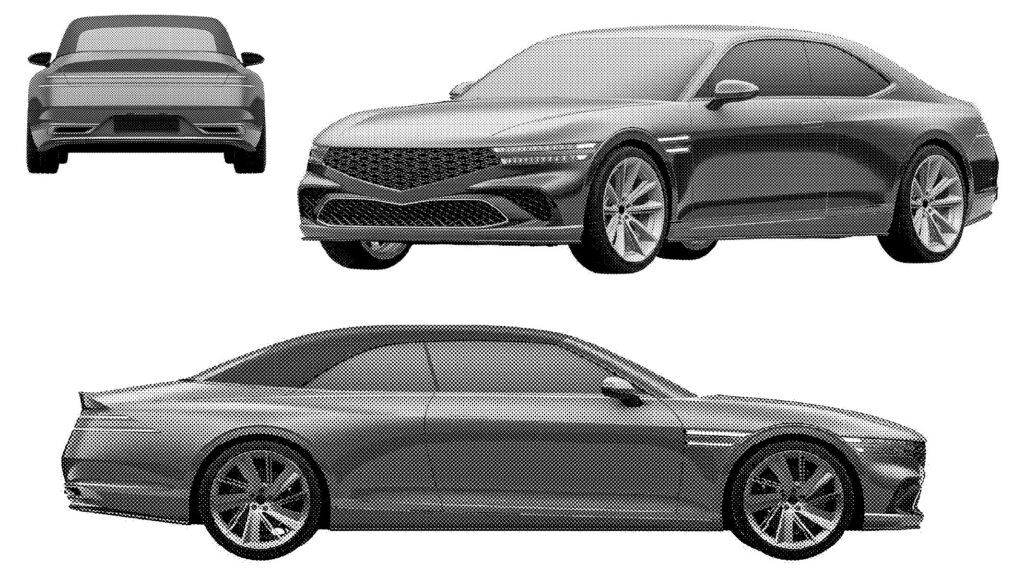
Genesis Just Patented The G90 Coupe And Convertible, And That's More Than Just Paperwork
A design patent isn't a production announcement, but Genesis wouldn't bother protecting a design it had no intention of ever building — and having seen the Convertible in person, I understand why they'd want to.
Read article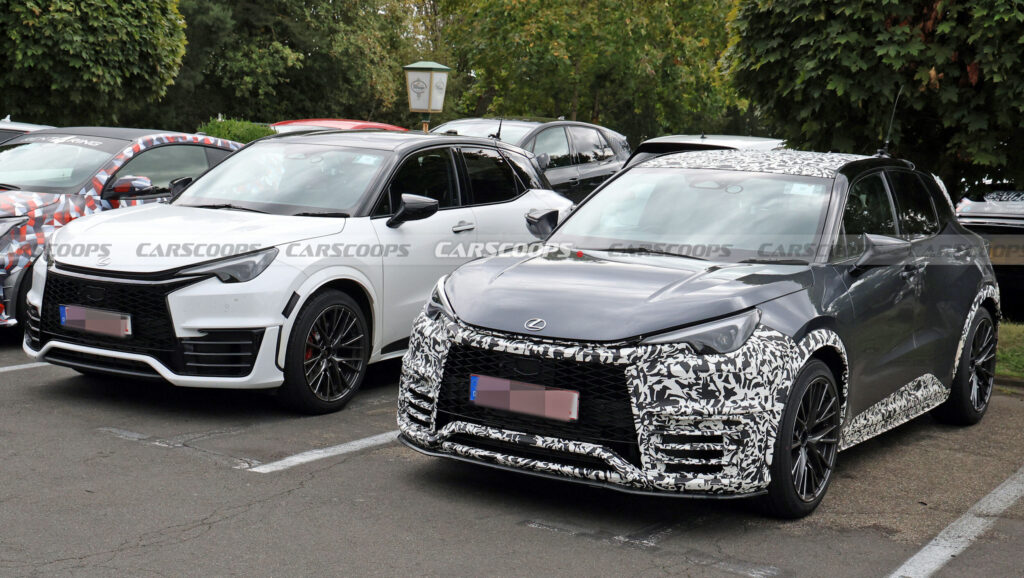
Lexus Is Building An Even Hotter LBX, And Carbon Fiber Is Doing All The Talking
The existing LBX Morizo RR already had a manual gearbox and GR-derived power. This new version's whole mission is shedding weight, and it's doing it with carbon fiber almost everywhere.
Read article
VW Wants $149 A Year To Turn Your Parked Car Into A Game Console, And I'm Weirdly Okay With It
Yet another automotive subscription fee sounds exhausting on principle. But this one is actually solving a real, specific dead-time problem — and it's bundled with features people already pay for anyway.
Read article