Carced News
Hyundai's CEO Just Warned That Chinese Cars Could Do To The US What They Did To The UK
Munoz isn't talking about distant theory. He's pointing at the UK and Europe as a live demo of what happens when Chinese brands walk into a market with no real price wall.
This Isn’t Abstract Trade Policy — It’s A Profit Warning
Hyundai Motor CEO Jose Munoz just put a blunt label on something Detroit and Seoul have been whispering about for months: without tariffs and other barriers, Chinese brands could remake the US car market the way they remade the UK.
The UK Example Is The Whole Argument
“The UK, which in the past was a very profitable, very strong market, has become like China,” Munoz told Reuters. “All the top sellers are Chinese because there are no barriers.” In a market with no Chinese-car tariffs, Chinese brands already account for roughly 15 percent of new registrations. That is not a rounding error — that is a structural shift in who captures volume and margin.
Europe Already Tried Soft Barriers And Still Feels The Squeeze
The EU has tariffs on Chinese EVs after finding unfair state subsidies, and it is working on “Made in Europe” content rules. Even with those tools, Munoz claims Chinese cars can still land 30–40 percent cheaper in some markets. If that math holds, a US market that drops its ~100 percent EV tariff wall does not get a gentle competitor — it gets a pricing shock.
Trump’s Factory Pitch Is Exactly What Has Incumbents Nervous
Chinese cars are effectively priced out of the US today. But President Trump has floated welcoming Chinese automakers that build here and hire American workers, comparing the idea to Japanese transplant factories. The American Automotive Policy Council — representing Ford, GM, and Stellantis — pushed back, arguing Chinese brands benefit from subsidies and other non-market advantages. Ford CEO Jim Farley has separately told employees he expects Chinese brands in the US within five to ten years.
My Take
Munoz has run Chinese operations before and has praised China’s development speed, which makes the warning harder to dismiss as simple protectionism. For US shoppers, the near-term story is still incentives on cars you can actually buy today. The longer-term story is whether tariff policy stays the silent product feature that keeps today’s pricing structure intact. Watch the policy, not just the pressers — because if the wall moves, every lease payment and residual on this site gets renegotiated by competition overnight.
Would you welcome Chinese brands building in the US if it meant cheaper EVs, or do you want the tariff wall left up? I’m curious where shoppers actually land on this.
More Carced news
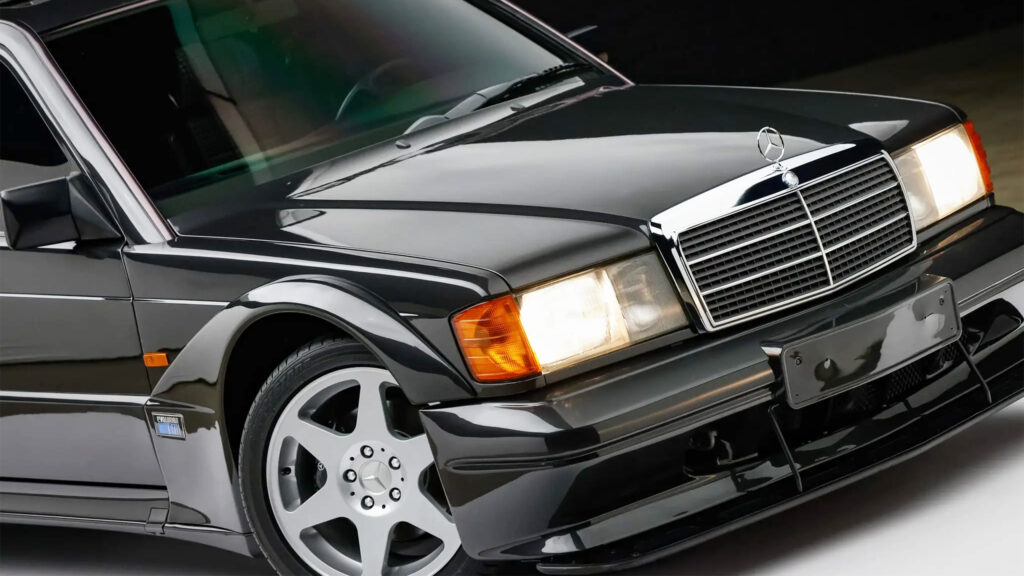
You Can Buy HWA's $760K New 190E Evo II, Or The Real Thing For Less — And That's A Genuinely Hard Choice
A restomod exists to solve the problem of an original being too rare, too fragile, or too expensive to actually use. This time, the original might be the cheaper option.
Read article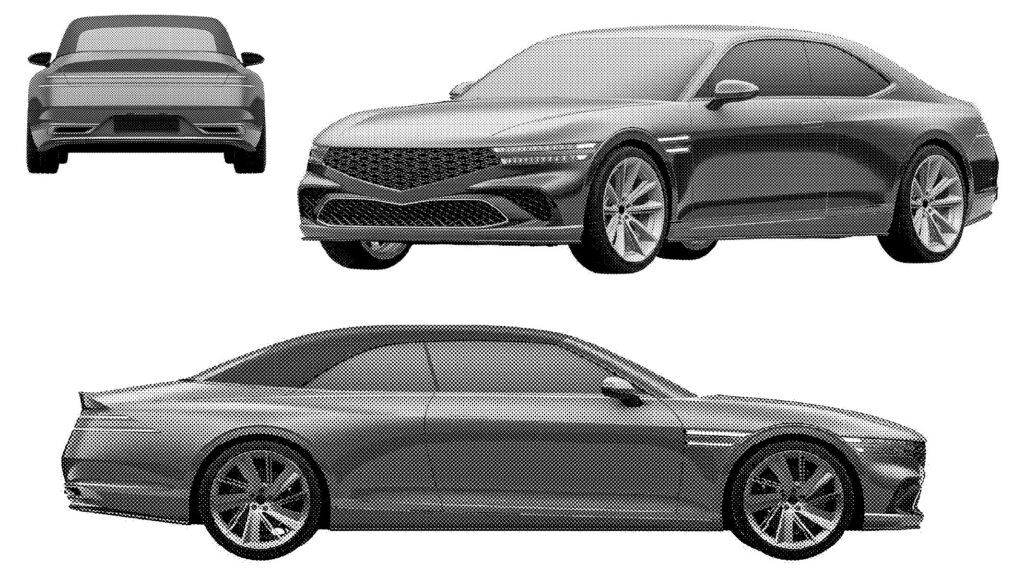
Genesis Just Patented The G90 Coupe And Convertible, And That's More Than Just Paperwork
A design patent isn't a production announcement, but Genesis wouldn't bother protecting a design it had no intention of ever building — and having seen the Convertible in person, I understand why they'd want to.
Read article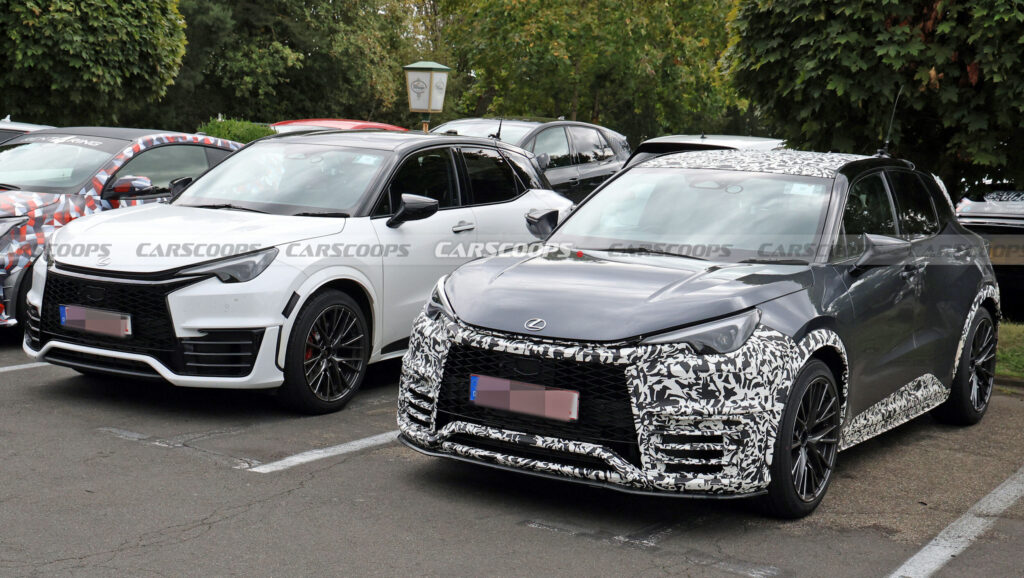
Lexus Is Building An Even Hotter LBX, And Carbon Fiber Is Doing All The Talking
The existing LBX Morizo RR already had a manual gearbox and GR-derived power. This new version's whole mission is shedding weight, and it's doing it with carbon fiber almost everywhere.
Read article
VW Wants $149 A Year To Turn Your Parked Car Into A Game Console, And I'm Weirdly Okay With It
Yet another automotive subscription fee sounds exhausting on principle. But this one is actually solving a real, specific dead-time problem — and it's bundled with features people already pay for anyway.
Read article