Carced News
Honda's Refusing To Play China's Speed Game — And Honestly, Good
Everyone else in the industry is racing to match China's development speed. Honda's answer is basically: no thanks, we'd rather still be trusted in five years.
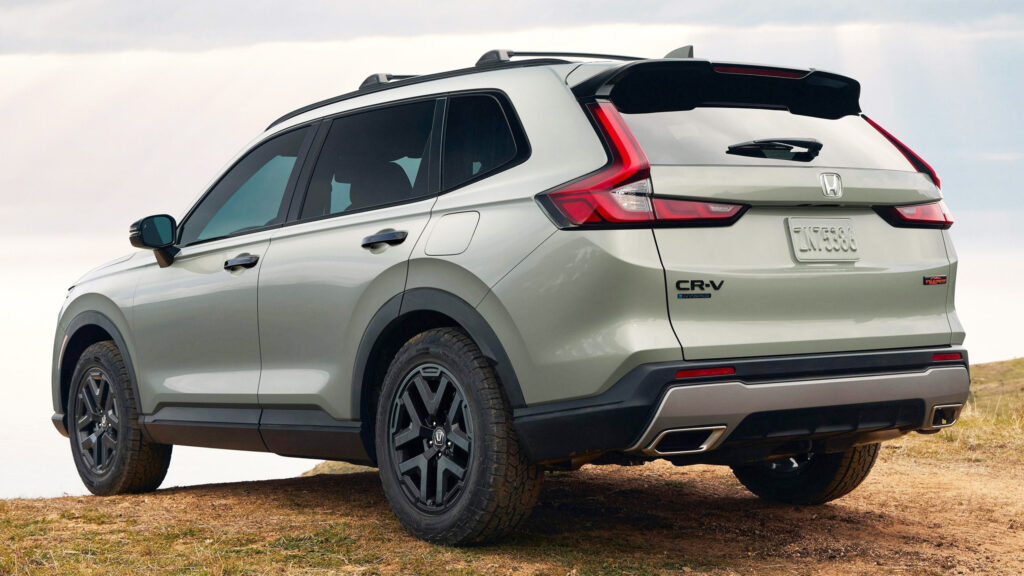
Honda Is Betting Its Reputation Against The Clock, And I Think That’s The Right Bet
There’s an arms race happening in the auto industry right now, and it’s not about horsepower. It’s about speed — specifically, how fast a manufacturer can take a car from concept to showroom. Chinese automakers have set a pace that’s making legacy brands genuinely nervous, and the obvious temptation is to cut corners just to keep up. Honda’s public answer, delivered through its top US executives, amounts to a polite but firm refusal.
“Who Is Honda?” Is A Better Question Than “How Fast Can We Go”
American Honda’s Eiji Fujimura put it plainly: before racing to match Chinese and Indian rivals on software and ADAS development speed, Honda first needs to ask “who is Honda?” That’s a refreshingly unfashionable answer in an industry currently obsessed with over-the-air updates and quarterly feature drops.
The Ford comparison in the background here isn’t subtle, and Honda clearly knows it. Executive VP Noriya Kaihara’s point about keeping the quality department “completely separate from other departments” so that “every single new technology always goes by this separate department” is a structural answer to a cultural problem. It’s much harder to rush a car to market when an independent team has real authority to say no.
The US Isn’t Where This Pressure Is Actually Coming From
Here’s the detail I found most telling: Honda admits it doesn’t face many new competitive threats in the US specifically. It’s Europe and Asia where the picture looks very different, and where a slow response to a quality issue can genuinely cost the brand customers to a rival with a shinier spec sheet. That’s a useful reminder that “the China speed problem” isn’t evenly distributed — it hits hardest in markets where consumer loyalty is more fragile to begin with.
Speed Without Trust Is Worthless
Kaihara’s comment about compounding failures stuck with me: “If you leave a customer with a bad-quality vehicle and, on top of that, also a delay with the countermeasure, that will cause really bad damage.” That’s the actual risk calculus here. It’s not that fast development inherently produces bad cars — it’s that fast development paired with a slow, bureaucratic response to problems is how you torch decades of brand trust in a single bad model year.
My Take
Everyone loves to talk about how car companies need to “move faster” right now, and there’s truth to that pressure. But Honda’s reputation was built over 60-plus years specifically on not being the company that cuts corners. Abandoning that now to chase a development-speed metric that Chinese automakers are simply better positioned to win feels like the wrong fight to pick. Betting on reliability while everyone else bets on speed is a genuinely contrarian move in 2026 — and it might be Honda’s smartest one.
Do you actually notice reliability differences between brands anymore, or has that gap closed more than we think? Let me know your experience below.
More Carced news
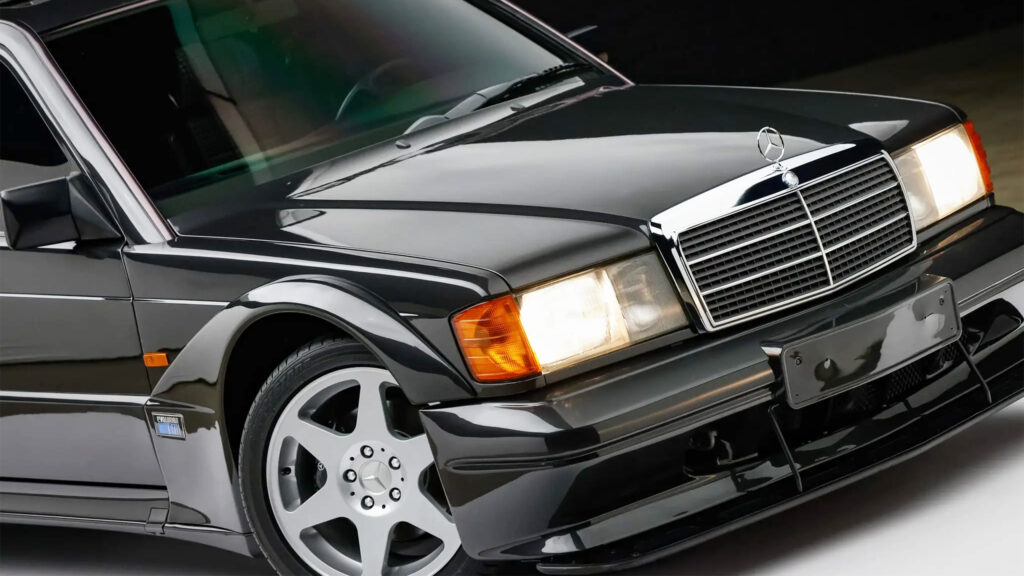
You Can Buy HWA's $760K New 190E Evo II, Or The Real Thing For Less — And That's A Genuinely Hard Choice
A restomod exists to solve the problem of an original being too rare, too fragile, or too expensive to actually use. This time, the original might be the cheaper option.
Read article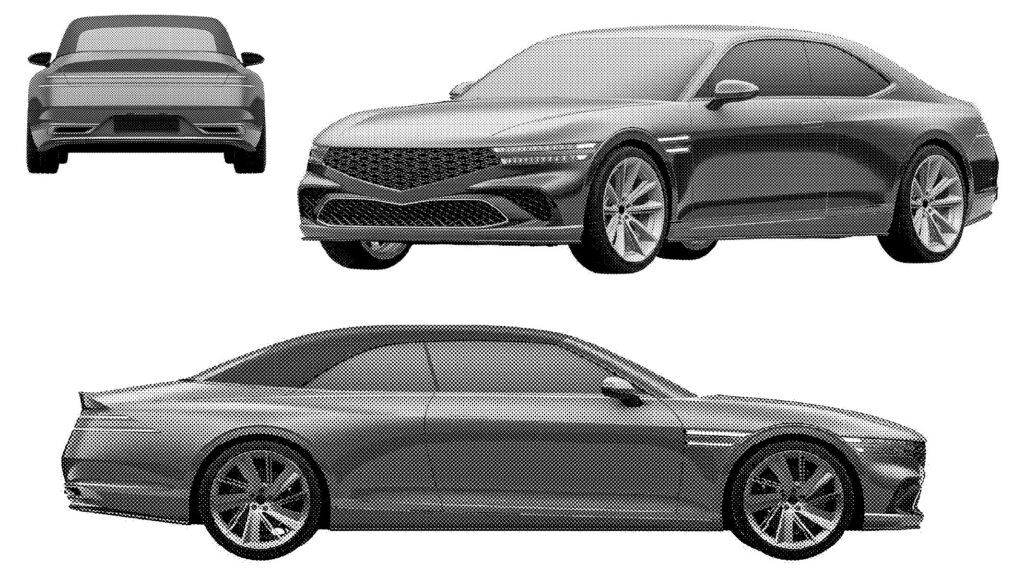
Genesis Just Patented The G90 Coupe And Convertible, And That's More Than Just Paperwork
A design patent isn't a production announcement, but Genesis wouldn't bother protecting a design it had no intention of ever building — and having seen the Convertible in person, I understand why they'd want to.
Read article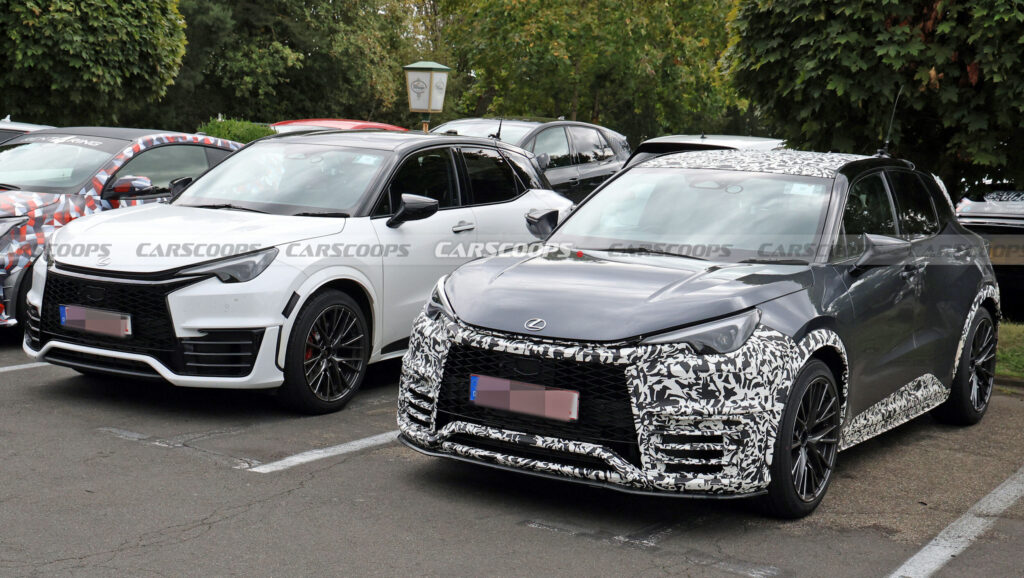
Lexus Is Building An Even Hotter LBX, And Carbon Fiber Is Doing All The Talking
The existing LBX Morizo RR already had a manual gearbox and GR-derived power. This new version's whole mission is shedding weight, and it's doing it with carbon fiber almost everywhere.
Read article
VW Wants $149 A Year To Turn Your Parked Car Into A Game Console, And I'm Weirdly Okay With It
Yet another automotive subscription fee sounds exhausting on principle. But this one is actually solving a real, specific dead-time problem — and it's bundled with features people already pay for anyway.
Read article