Carced News
Ferrari's 296 GT Modificata Is What Happens When You Let A Race Car Break Its Own Rules
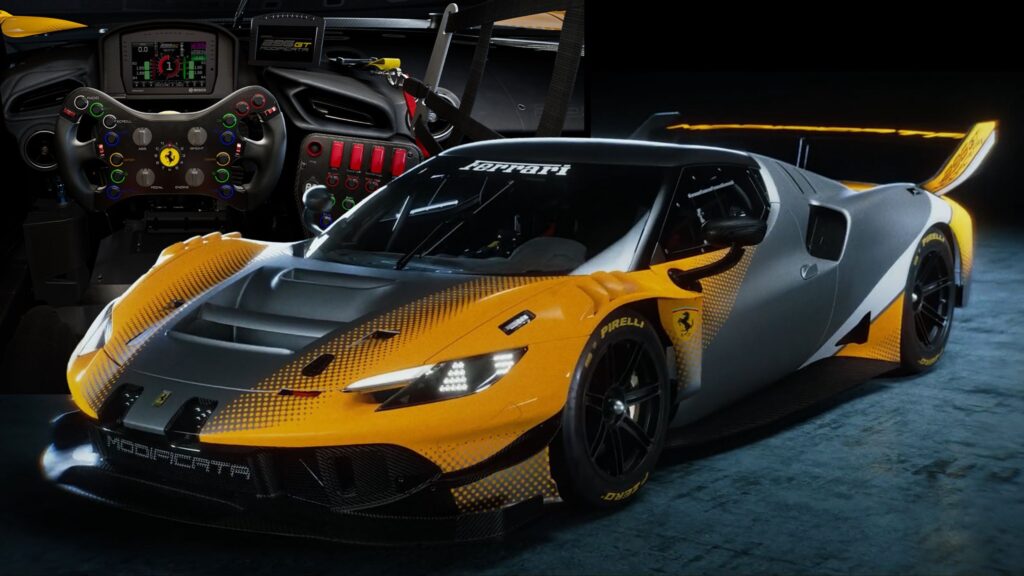
Take a genuine GT3 race car, strip away every rule that was holding it back, and you get the 296 GT Modificata — a supercar too extreme for the very racing series it's based on.
When Ferrari Says “No More Rules,” Pay Attention
Racing regulations exist for good reason — parity, safety, cost control. But they also cap what a car could theoretically do if nobody was watching. Ferrari’s new 296 GT Modificata is the answer to that “what if,” built for the Club Competizioni GT programme’s select clientele, and the numbers make it clear just how much the GT3 Evo has been holding back.
GT3 Evo Bones, No GT3 Evo Restrictions
Visually the GT Modificata reads as a close cousin of the 296 GT3 Evo — subtler front canards, a more pronounced splitter, custom tailpipes, a reworked rear wing with 499P-inspired endplates. The family resemblance is intentional. This is the successor to the 488 GT Modificata from 2020, a lineage built specifically around taking a homologated race car and un-homologating it.
The Engine Is The Whole Story
Under the bodywork sits a twin-turbo 3.0-liter V6 that shares its architecture with the racing unit, but with the GT3 rulebook no longer dictating what’s allowed. Changes to the cranktrain, camshafts, induction, intercoolers, turbochargers, fuel system, transmission, and exhaust push output to 720 hp — 128 hp more than the regulation-bound GT3 Evo. That’s not a small bump. That’s the difference rules make when you take them away entirely.
For context, the road-legal 296 Speciale’s hybrid setup combines for 868 hp, so the GT Modificata isn’t chasing the absolute ceiling of what the 296 platform can produce. It’s chasing something more specific: the fastest possible unrestricted version of a car that was, until now, defined entirely by what it couldn’t do.
Lighter Than The Speciale, Built To Prove A Point
At 2,932 lbs dry, the GT Modificata is 176 lbs lighter than the lightest Speciale variant, with a sharper chassis and more aggressive track-focused aero. Ferrari claims it laps Fiorano three seconds faster than the GT3 Evo — a legitimately significant margin on a track where seconds are usually fought over in tenths.
A Passenger Seat, Which Is A Nice Touch
One detail I appreciated: despite the roll cage and stripped-out cabin, Ferrari found a way to fit a passenger seat by reworking the integrated cage. That’s a small thing, but it means owners can actually bring someone along for track days — an instructor, a friend, whoever — rather than experiencing this thing entirely alone. Given what these programmes typically cost to join, that’s a genuinely thoughtful inclusion.
My Take
Cars like this exist purely to answer a question nobody but Ferrari’s most dedicated clients gets to ask: what happens when you strip away the regulations built into a race car? The answer, apparently, is 720 hp, three seconds faster around Fiorano, and a machine that exists entirely outside any series it could actually compete in. It’s an indulgence in the truest sense, but it’s also a fascinating engineering exercise — proof of exactly how much performance the GT3 rulebook was leaving on the table.
If you could unlock one racing series’ rulebook entirely for a single road-legal (or track-only) car, which series would you pick? I’m curious what other categories are hiding this much untapped performance.
More Carced news
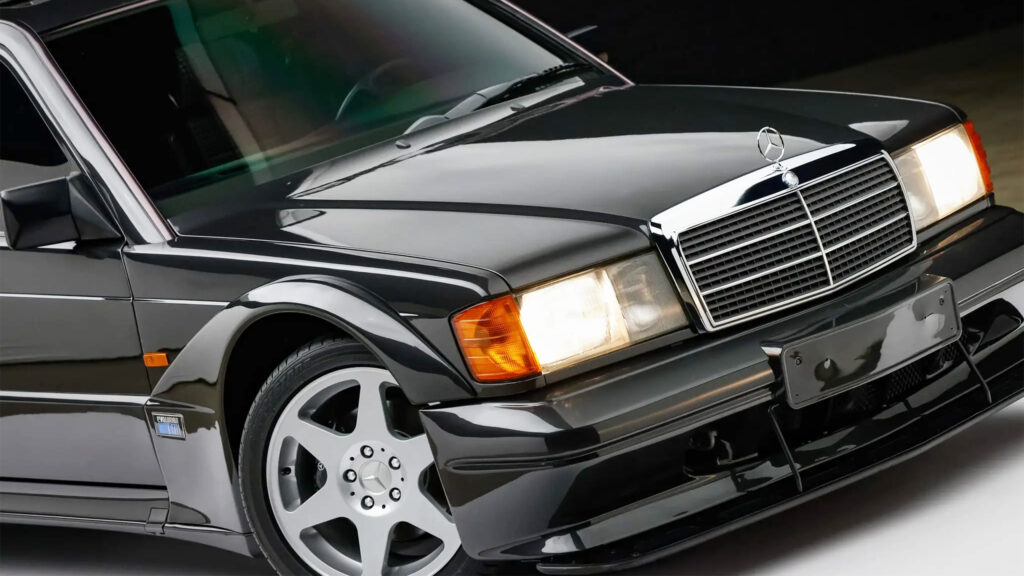
You Can Buy HWA's $760K New 190E Evo II, Or The Real Thing For Less — And That's A Genuinely Hard Choice
A restomod exists to solve the problem of an original being too rare, too fragile, or too expensive to actually use. This time, the original might be the cheaper option.
Read article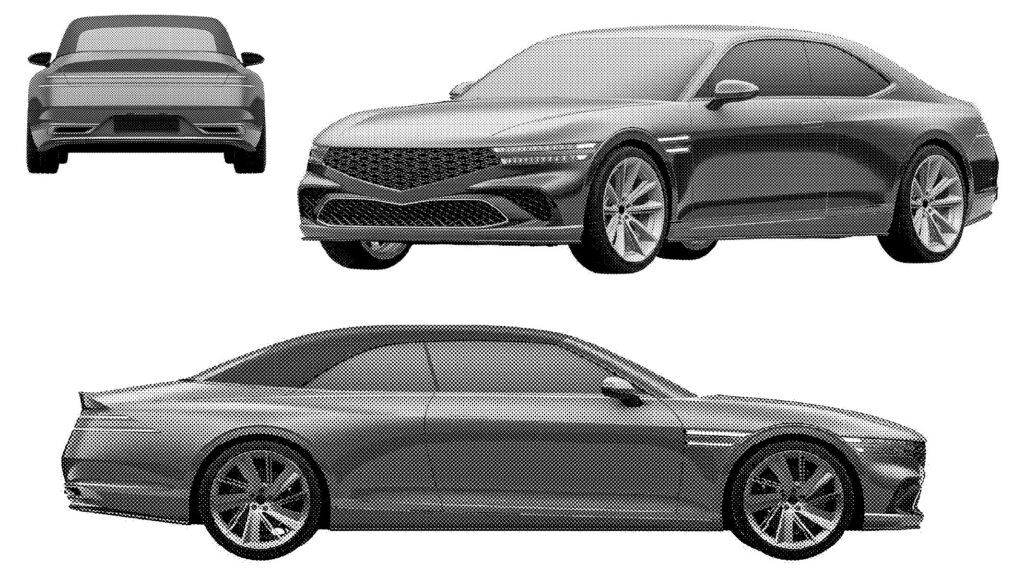
Genesis Just Patented The G90 Coupe And Convertible, And That's More Than Just Paperwork
A design patent isn't a production announcement, but Genesis wouldn't bother protecting a design it had no intention of ever building — and having seen the Convertible in person, I understand why they'd want to.
Read article
Lexus Is Building An Even Hotter LBX, And Carbon Fiber Is Doing All The Talking
The existing LBX Morizo RR already had a manual gearbox and GR-derived power. This new version's whole mission is shedding weight, and it's doing it with carbon fiber almost everywhere.
Read article
VW Wants $149 A Year To Turn Your Parked Car Into A Game Console, And I'm Weirdly Okay With It
Yet another automotive subscription fee sounds exhausting on principle. But this one is actually solving a real, specific dead-time problem — and it's bundled with features people already pay for anyway.
Read article