Carced News
Detroit Just Told Trump His Own Chinese Car Idea Would Hurt American Automakers
Trump said he'd welcome Chinese factories on American soil. Detroit's own lobbying group just publicly told him that's a bad idea — an awkward position against an administration that's mostly made their lives easier.
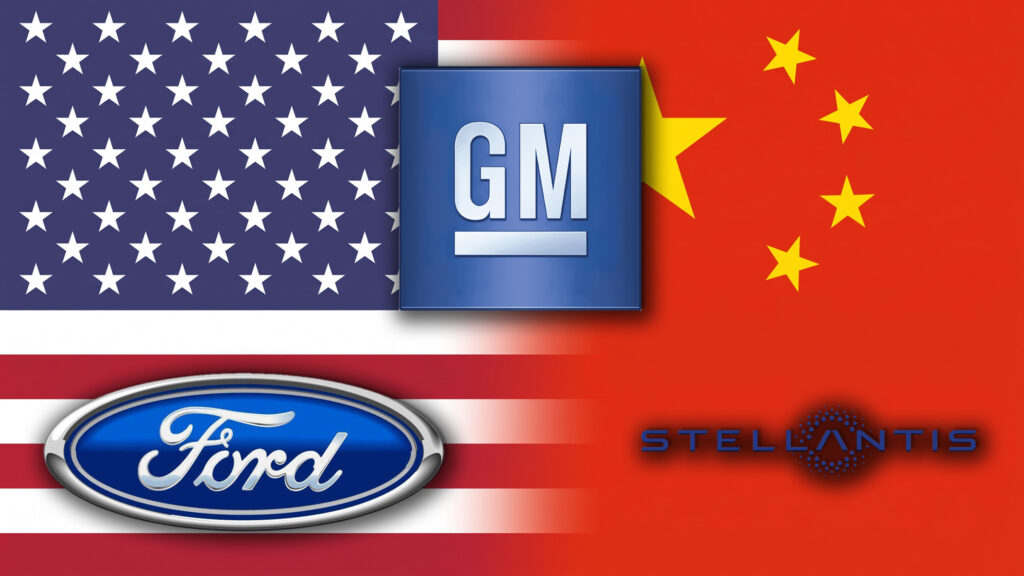
Detroit Just Publicly Disagreed With An Administration That’s Usually On Their Side
This is the kind of political awkwardness that’s genuinely fascinating to watch play out. Trump recently said he’d be fine with Chinese automakers building factories in America, so long as they hire American workers. Detroit’s Big Three — through their shared DC lobbying group rather than individual statements — just told him, in effect, that his own idea would hurt the very industry he’s been championing.
The Argument Isn’t About Jobs, It’s About Fairness
American Automotive Policy Council president Matt Blunt didn’t argue against American manufacturing jobs — he argued that Chinese automakers arrive with state subsidies, currency manipulation, and other “non-market advantages” that no amount of US-based assembly erases. That’s a genuinely different objection than simple protectionism: it’s a claim that the competitive playing field is rigged well before a single car rolls off any American assembly line, Chinese-owned or not.
The Ford Contradiction Makes This Even Messier
Here’s where the politics get genuinely tangled. Transportation Secretary Sean Duffy has separately criticized Ford specifically for its relationships with Chinese battery giant CATL and Geely, accusing the company of intertwining its future with state-backed Chinese enterprises. So the same administration that’s scolding Ford for touching Chinese supply chains is simultaneously floating the idea of inviting Chinese automakers to build factories on American soil outright. Those two positions don’t obviously reconcile, and Detroit’s pushback essentially highlights that contradiction without saying so directly.
The Threat Isn’t Hypothetical Anymore
Chinese brands already account for roughly 20% of Mexico’s new-car market, Canada is preparing reduced tariffs for a limited number of Chinese-built vehicles, and AlixPartners projects Chinese brands controlling 30% of the global market by 2030. This isn’t Detroit worrying about a distant future scenario — it’s Detroit watching the numbers move in real time across neighboring markets and trying to head off the same pattern before it fully arrives stateside.
Farley’s Xiaomi Experiment Says A Lot
Ford CEO Jim Farley has reportedly been driving a Xiaomi SU7 for months specifically to understand the competition, and he’s described it as high quality with an excellent digital experience. That’s a genuinely candid admission from a competitor’s CEO, and it underscores why Detroit’s objection isn’t really about doubting Chinese engineering — it’s about doubting whether American manufacturers can compete against companies operating with structural advantages that assembly location alone doesn’t neutralize.
My Take
Detroit’s position here is more nuanced than simple “keep Chinese cars out” protectionism, even if it’s easy to read it that way at first glance. The real argument is that where a car gets bolted together matters less than the financial and regulatory conditions that got it there cheaply in the first place. Whether Trump’s administration actually internalizes that distinction, or just hears “Detroit doesn’t want competition,” is the more interesting question going forward — and given the contradictory signals already coming out of Washington on Ford specifically, I wouldn’t bet on a clean resolution anytime soon.
Do you think building Chinese-branded cars in American factories would meaningfully level the playing field, or does Detroit have a point that the subsidies follow the company regardless of assembly location? Genuinely curious how people are thinking about this.
More Carced news
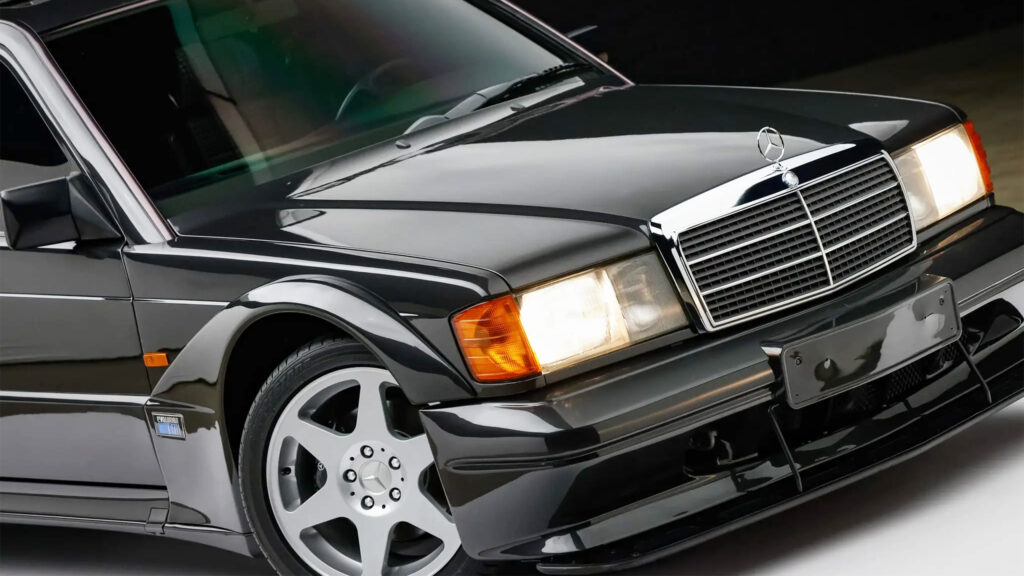
You Can Buy HWA's $760K New 190E Evo II, Or The Real Thing For Less — And That's A Genuinely Hard Choice
A restomod exists to solve the problem of an original being too rare, too fragile, or too expensive to actually use. This time, the original might be the cheaper option.
Read article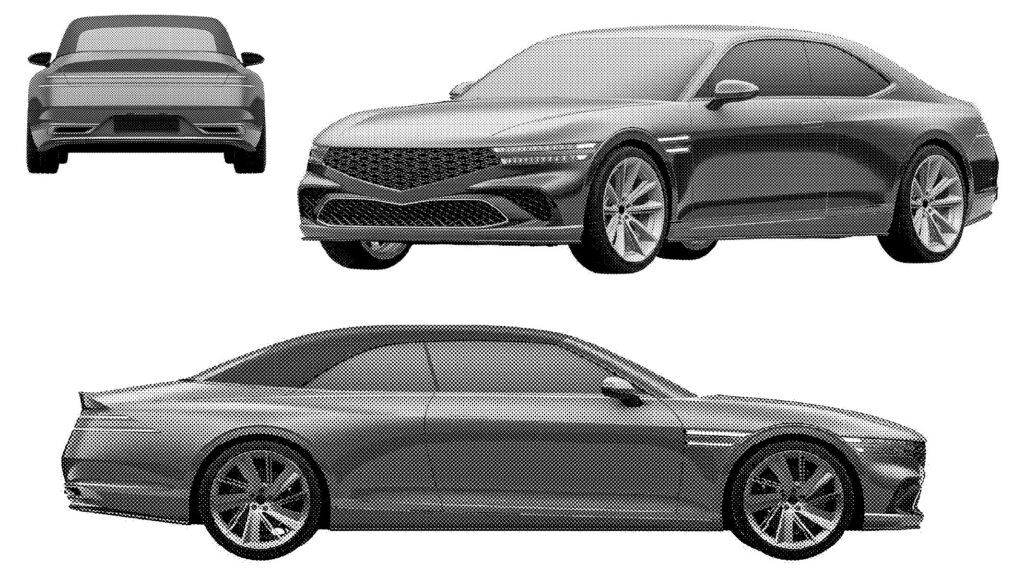
Genesis Just Patented The G90 Coupe And Convertible, And That's More Than Just Paperwork
A design patent isn't a production announcement, but Genesis wouldn't bother protecting a design it had no intention of ever building — and having seen the Convertible in person, I understand why they'd want to.
Read article
Lexus Is Building An Even Hotter LBX, And Carbon Fiber Is Doing All The Talking
The existing LBX Morizo RR already had a manual gearbox and GR-derived power. This new version's whole mission is shedding weight, and it's doing it with carbon fiber almost everywhere.
Read article
VW Wants $149 A Year To Turn Your Parked Car Into A Game Console, And I'm Weirdly Okay With It
Yet another automotive subscription fee sounds exhausting on principle. But this one is actually solving a real, specific dead-time problem — and it's bundled with features people already pay for anyway.
Read article