Carced News
California Just Closed The Weirdest Gap In Its Classic Car Rules, Thanks To Years Of Jay Leno Lobbying
There's always been a weird gap in California's classic car rules — cars too new for the old exemption, but genuinely difficult to smog-test. Jay Leno spent years fixing it, and it finally passed.
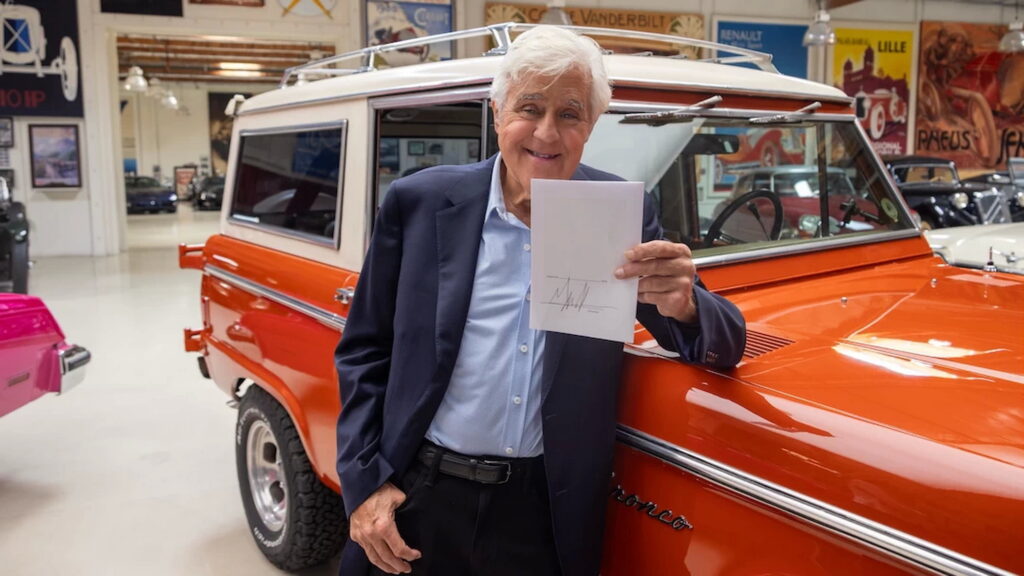
The Weird Middle-Age Problem For Classic Cars Just Got Fixed
Every classic car market has an awkward middle zone — vehicles too new to qualify for historic exemptions, but old enough that testing them properly has become genuinely difficult. California’s smog-check rules have had exactly that gap for cars from the late 1970s through mid-1980s, and it’s taken years of advocacy, spearheaded publicly by Jay Leno, to finally get it closed.
The Gap Was Real, Not Just An Inconvenience
California previously exempted only 1975-model-year and earlier vehicles from smog checks. Everything from 1976 onward, regardless of how carefully preserved or rarely driven, stayed subject to full testing. The new law — SB 1392, dubbed Jay Leno’s Law — creates a phased exemption for qualifying collector vehicles from 1976 through 1985, starting January 1, 2028, with the cutoff advancing one model year annually until 1985-model-year vehicles are covered by 2033.
The Restrictions Keep This From Being A Loophole
This isn’t a blanket pass for every aging 1980s commuter car still limping along. Eligible vehicles must be at least 35 model years old, used primarily for shows, parades, charitable events, historical exhibitions, and preservation — not as daily transportation. Owners initially need proof of collector-car insurance, and starting in 2030, there’s an additional qualifying path for vehicles driven under 1,000 miles annually. That’s a genuinely well-designed set of guardrails that targets the actual preservation community without opening the door to widespread abuse by daily-driver owners looking for a smog-check shortcut.
Leno’s Advocacy Was Substantive, Not Just A Celebrity Name
This wasn’t a case of a famous person lending their name to a bill for optics. Leno testified before lawmakers in 2025, explaining specifically that emissions testing older vehicles has become considerably more difficult and expensive as fewer shops maintain the equipment needed to test them properly. That first attempt, SB 712, actually failed in committee — a genuinely instructive detail, since it shows the bill wasn’t a rubber-stamp exercise; it took real legislative work and a more narrowly tailored replacement bill to get across the finish line.
The Second Attempt Succeeded Because It Was Better Designed
SB 1392 returned in 2026 with bipartisan backing from Senators Dave Cortese and Shannon Grove, and the more precisely scoped restrictions (the 35-year minimum, the usage requirements, the insurance verification) likely explain why this version succeeded where the broader first attempt didn’t. Leno, at the signing held at his own Burbank garage, put it simply: “The car community has been waiting on this for a long time.”
My Take
What makes this a genuinely good piece of legislation, rather than just a nice gesture toward car enthusiasts, is the specificity of the restrictions. It solves a real, narrow problem (testing difficulty for a specific vintage band of genuinely preserved vehicles) without creating a broad new loophole for daily-driven older cars to dodge emissions accountability. That’s a harder needle to thread than it sounds, and the fact that it took a failed first attempt to get the scope right speaks well of the eventual bill’s design.
If you own a car from this 1976-1985 window in California, does this change actually affect your ownership costs or plans? I’d love to hear from owners directly affected by this.
More Carced news
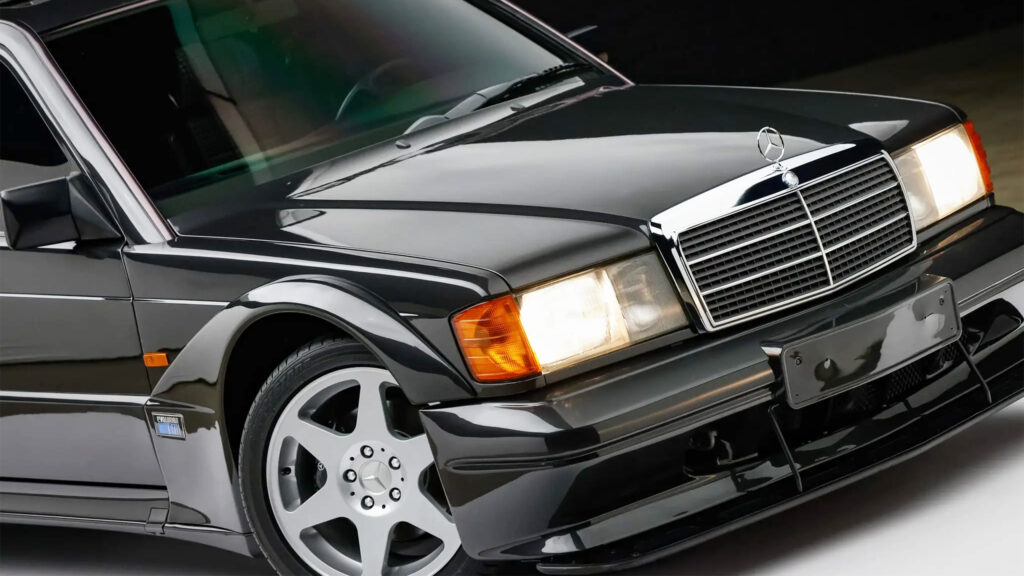
You Can Buy HWA's $760K New 190E Evo II, Or The Real Thing For Less — And That's A Genuinely Hard Choice
A restomod exists to solve the problem of an original being too rare, too fragile, or too expensive to actually use. This time, the original might be the cheaper option.
Read article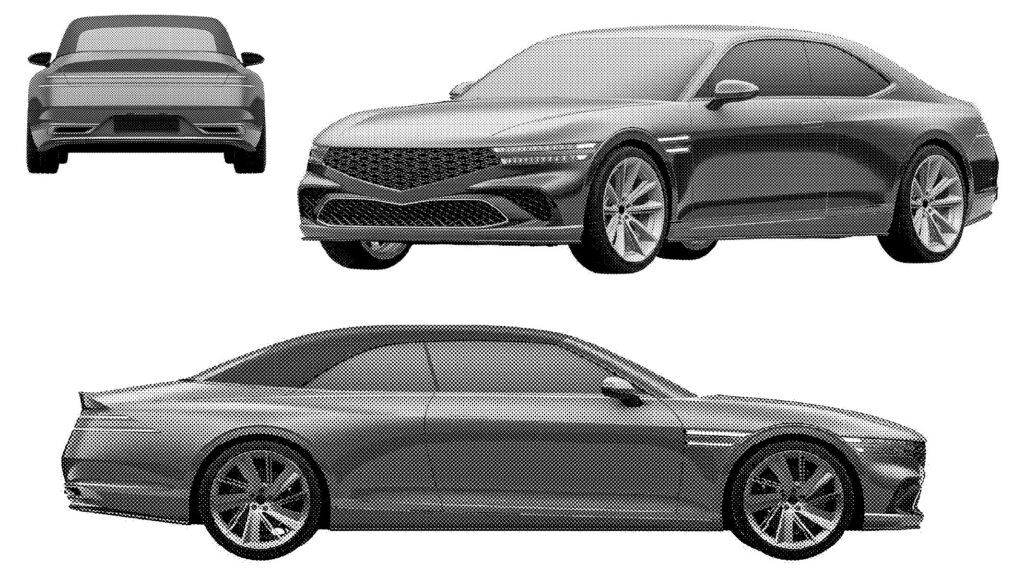
Genesis Just Patented The G90 Coupe And Convertible, And That's More Than Just Paperwork
A design patent isn't a production announcement, but Genesis wouldn't bother protecting a design it had no intention of ever building — and having seen the Convertible in person, I understand why they'd want to.
Read article
Lexus Is Building An Even Hotter LBX, And Carbon Fiber Is Doing All The Talking
The existing LBX Morizo RR already had a manual gearbox and GR-derived power. This new version's whole mission is shedding weight, and it's doing it with carbon fiber almost everywhere.
Read article
VW Wants $149 A Year To Turn Your Parked Car Into A Game Console, And I'm Weirdly Okay With It
Yet another automotive subscription fee sounds exhausting on principle. But this one is actually solving a real, specific dead-time problem — and it's bundled with features people already pay for anyway.
Read article