Carced News
BMW's Hydrogen X5 Looks Exactly Like A Normal X5, And That's Exactly The Point
BMW could have made this thing look futuristic and different. Instead it looks exactly like every other X5, and that restraint might be the smartest decision in the whole program.
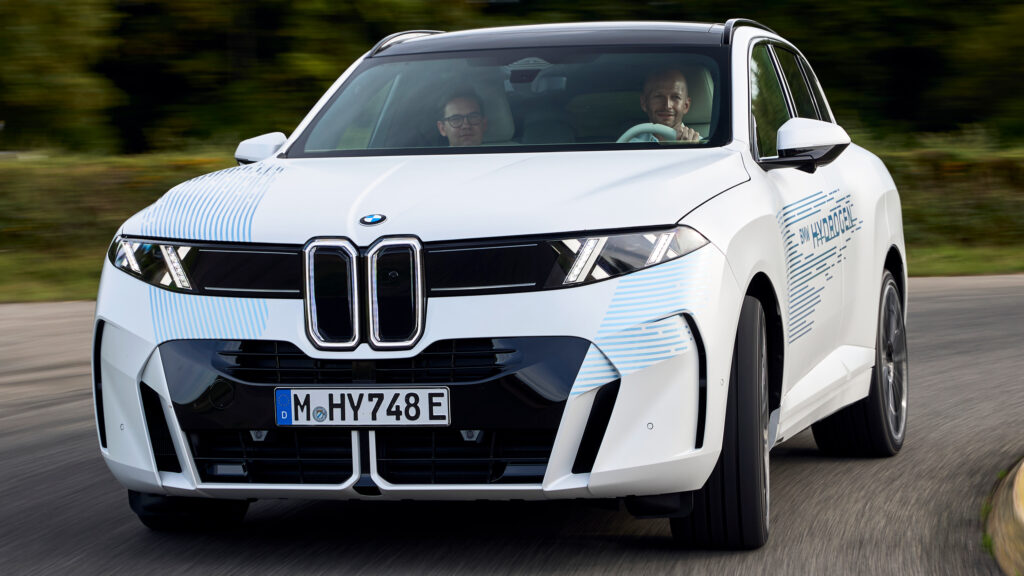
BMW Understood The Assignment: Don’t Make It Look Weird
There’s a long history of alternative-powertrain vehicles getting saddled with deliberately unusual styling, as if manufacturers feel obligated to visually announce “this one’s different.” BMW’s iX5 Hydrogen takes the opposite approach entirely, and having watched enough EVs and FCEVs get design-penalized for their propulsion choice, I think that’s the smarter call.
Looking Normal Is A Deliberate Strategy, Not A Missed Opportunity
BMW showed the iX5 Hydrogen testing without camouflage, and — aside from a blue “BMW Hydrogen” livery specific to this prototype — it’s visually identical to the combustion and all-electric X5 variants. No funky grilles, no unusual wheel designs, no aggressively futuristic bumpers. That’s BMW explicitly betting that ZEV buyers want a vehicle that looks like a normal, well-regarded SUV rather than a statement piece about their environmental choices. Given how much resistance some buyers show toward EVs that look conspicuously different, that’s a reasonable read of the market.
The Numbers Are Genuinely Competitive
BMW’s targeting 466 miles of range, matching a comparable electric iX5’s sub-5-second 0-62 mph time, and refueling in under five minutes — genuinely faster than any of BMW’s current EV charging times. That combination of long range and quick refueling is exactly hydrogen’s theoretical advantage over battery-electric vehicles, and if BMW can deliver it at genuine production quality, it’s a real differentiator rather than just a talking point.
The Engineering Focus Is On Integration, Not Just Components
BMW’s current testing phase is specifically about how the fuel cell system, high-voltage battery, and electric motor interact together, rather than validating any single component in isolation. BMW Group’s head of hydrogen vehicles, Josef Hochreiter, emphasized that “a perfectly coordinated overall system is crucial” — which is the right framing, since fuel cell vehicles live or die on how well the various subsystems work together under real driving conditions, not just how each one performs on a bench test.
Steyr Getting The Production Nod Matters
Series production is confirmed for BMW Group Plant Steyr, which gives this program a genuine manufacturing home rather than remaining a perpetual concept-car exercise. That’s the kind of concrete commitment that distinguishes an actual product roadmap from a company simply keeping a technology alive for PR purposes.
My Take
Hydrogen infrastructure remains the elephant in the room for any FCEV, and BMW’s engineering progress here doesn’t solve that problem on its own. But the iX5 Hydrogen’s design philosophy — refusing to visually differentiate itself from BMW’s mainstream X5 lineup — is a genuinely smart bet on what actually drives adoption. People don’t necessarily want to drive a science project; they want a good SUV that happens to run on hydrogen. If BMW nails that positioning at actual launch, this could end up being one of the more interesting hydrogen passenger vehicles to watch, purely because it doesn’t try too hard to convince you it’s different.
Would refueling speed and range be enough to get you into a hydrogen SUV over a battery-electric equivalent, assuming infrastructure wasn’t a concern? I think the “looks completely normal” angle is underrated as a selling point here.
More Carced news
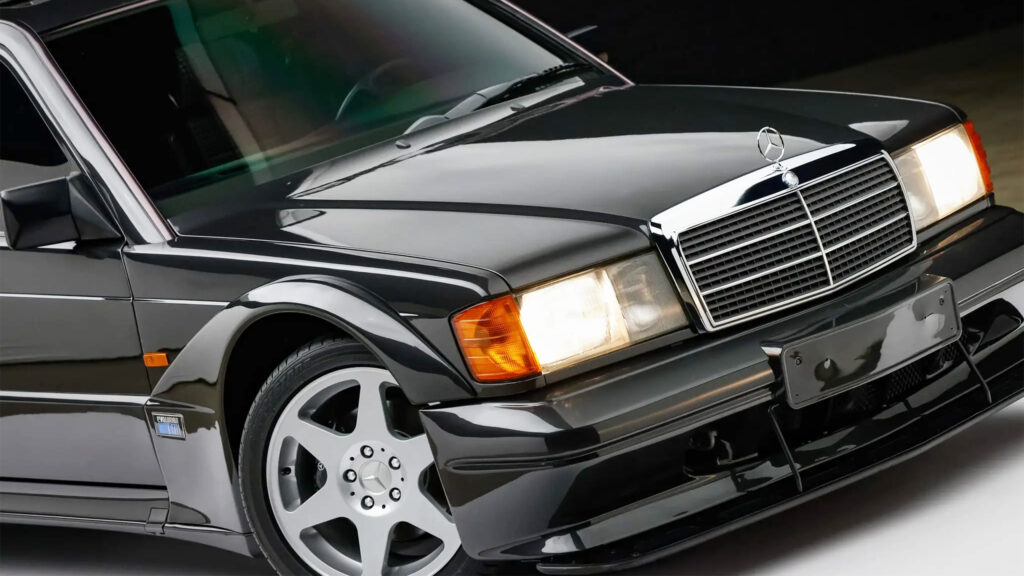
You Can Buy HWA's $760K New 190E Evo II, Or The Real Thing For Less — And That's A Genuinely Hard Choice
A restomod exists to solve the problem of an original being too rare, too fragile, or too expensive to actually use. This time, the original might be the cheaper option.
Read article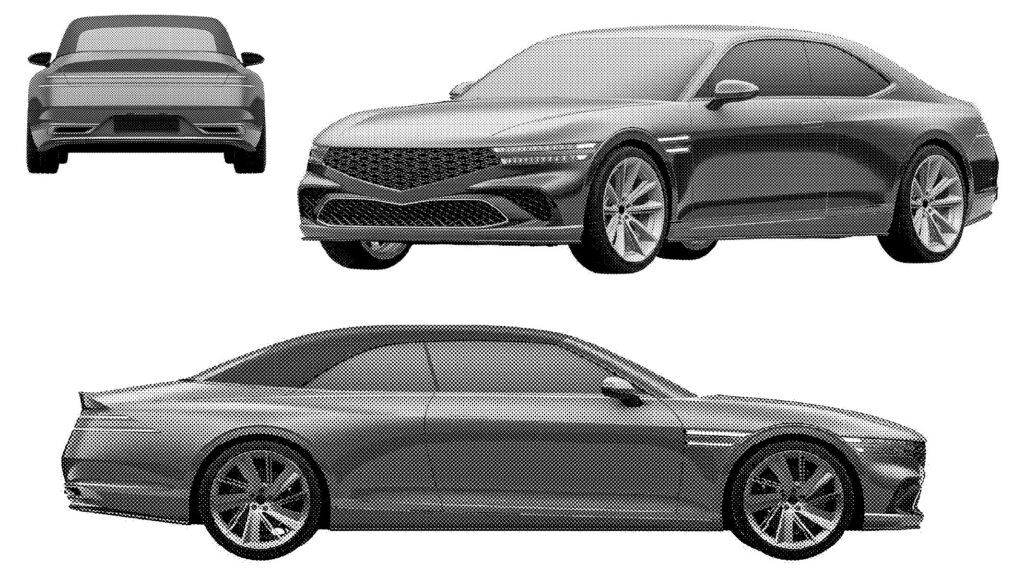
Genesis Just Patented The G90 Coupe And Convertible, And That's More Than Just Paperwork
A design patent isn't a production announcement, but Genesis wouldn't bother protecting a design it had no intention of ever building — and having seen the Convertible in person, I understand why they'd want to.
Read article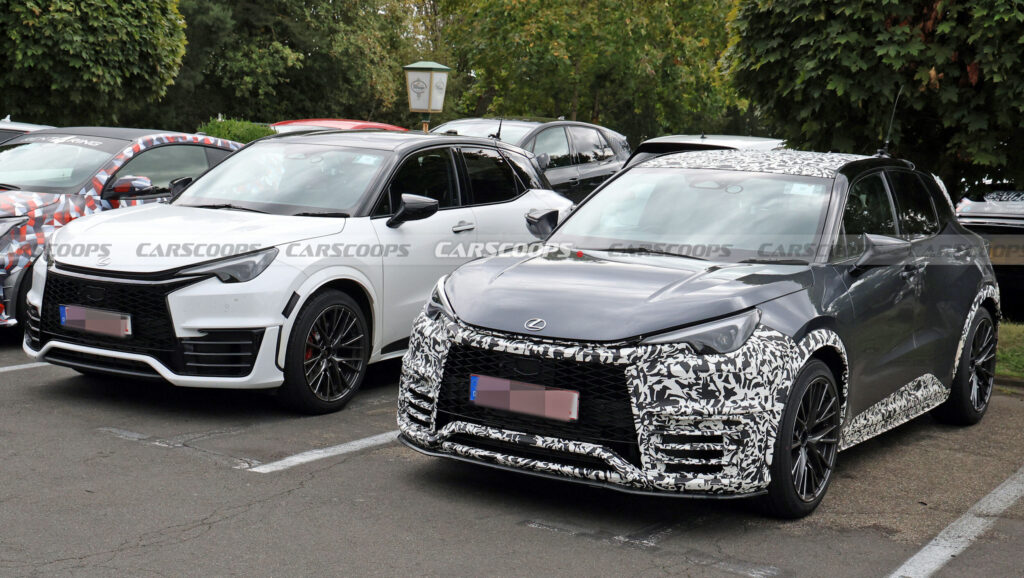
Lexus Is Building An Even Hotter LBX, And Carbon Fiber Is Doing All The Talking
The existing LBX Morizo RR already had a manual gearbox and GR-derived power. This new version's whole mission is shedding weight, and it's doing it with carbon fiber almost everywhere.
Read article
VW Wants $149 A Year To Turn Your Parked Car Into A Game Console, And I'm Weirdly Okay With It
Yet another automotive subscription fee sounds exhausting on principle. But this one is actually solving a real, specific dead-time problem — and it's bundled with features people already pay for anyway.
Read article